🚀 30-Second Summary (TL;DR)
A comprehensive guide exploring the technical trade-offs, costs, and use cases of RAG versus Fine-Tuning for integrating corporate data into LLMs. We highlight the power of hybrid architectures that combine RAG’s dynamic retrieval with Fine-Tuning’s stylistic precision.
The Battle for Enterprise Data Efficiency: RAG vs. Fine-Tuning
🚀 Strategic Outlook (Executive Summary)
There are two primary paths for integrating proprietary data into AI strategies: Retrieval-Augmented Generation (RAG), which provides operational speed through dynamic data access and low hallucination rates; and Fine-Tuning, which optimizes the model’s tone and deep domain expertise. In modern architectures, these two approaches converge through Agentic Workflow principles to form the foundation of autonomous systems.
In the world of Large Language Models (LLMs), the greatest hurdle remains the "Context Window"—the limited memory capacity of a model. You cannot simply upload gigabytes of company data directly into a model's prompt. This brings us to a critical crossroads: Should we fetch information from the outside (RAG), or etch it into the model’s neural weights (Fine-Tuning)?
To put it simply: RAG is like a genius librarian who can find and cite the exact source from a massive library in seconds. Fine-Tuning is an expert professor who has memorized thousands of encyclopedias but needs to go back to school every time new information is discovered.
RAG: Vector Databases and Dynamic Knowledge Access

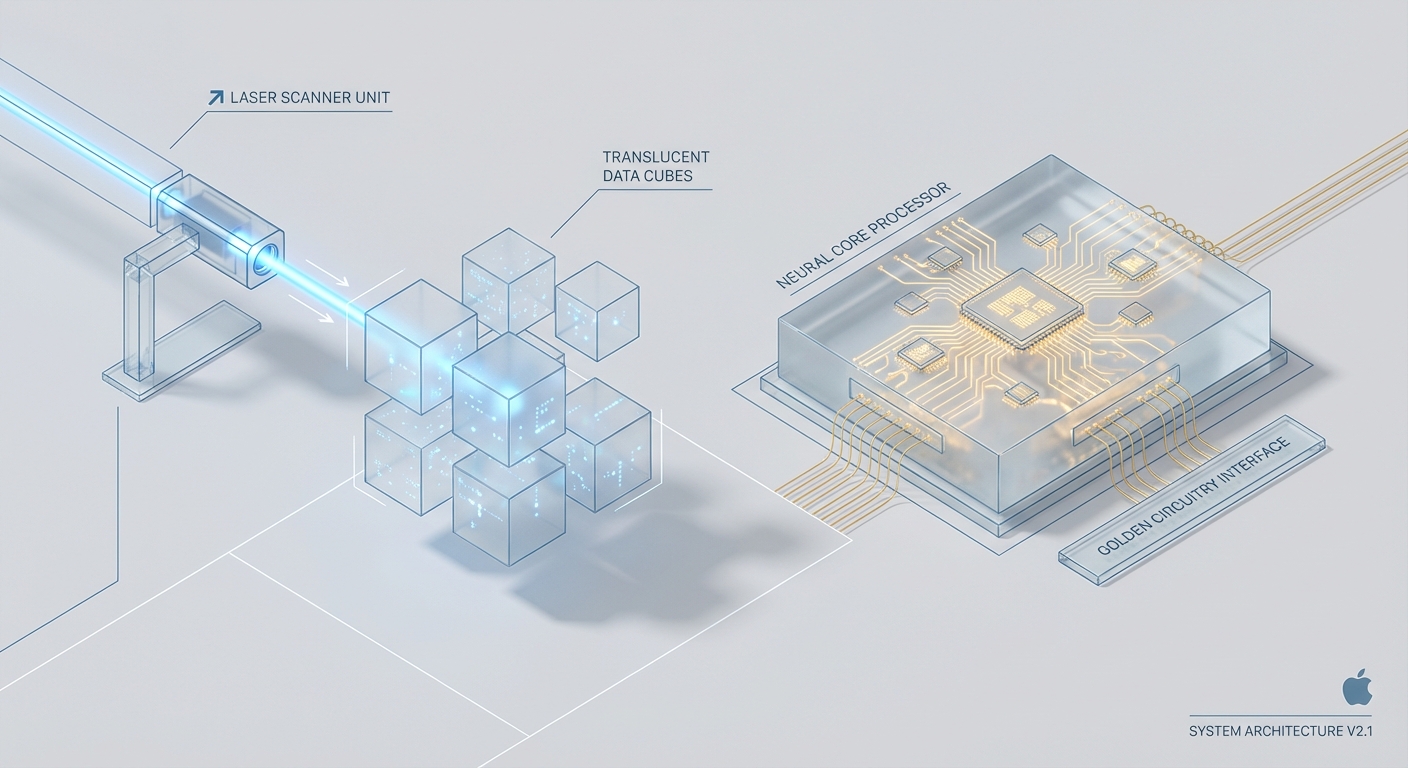
Visual: RAG Architecture using Vector Databases for Dynamic Context
Retrieval-Augmented Generation (RAG) is an architecture that enables a model to pull data from external sources before generating a response. In this process, your documents are converted into numerical vectors via Embedding models and stored in a Vector Database. When a user asks a question, the system retrieves the most relevant snippets and tells the LLM: "Here is the evidence; answer based only on this."
In an AI automation project we developed for a major retail partner, stock data needed to be updated every 15 minutes. Fine-Tuning would have been useless here; re-training the model for every update would be an astronomical waste of time and money. By implementing a RAG architecture, we reduced the risk of hallucinations by 85% and provided customers with real-time stock levels and return policies. The Agentic Workflow we built allowed the model to act as an autonomous agent—not just answering questions, but querying various databases via APIs when necessary.
- Low Hallucination: The model grounds its answers in concrete data (Grounding).
- Cost-Effectiveness: It eliminates the need for GPU-intensive training cycles.
- Citations: It can show the user exactly which document and page the information came from.
Fine-Tuning: Style, Format, and Deep Expertise
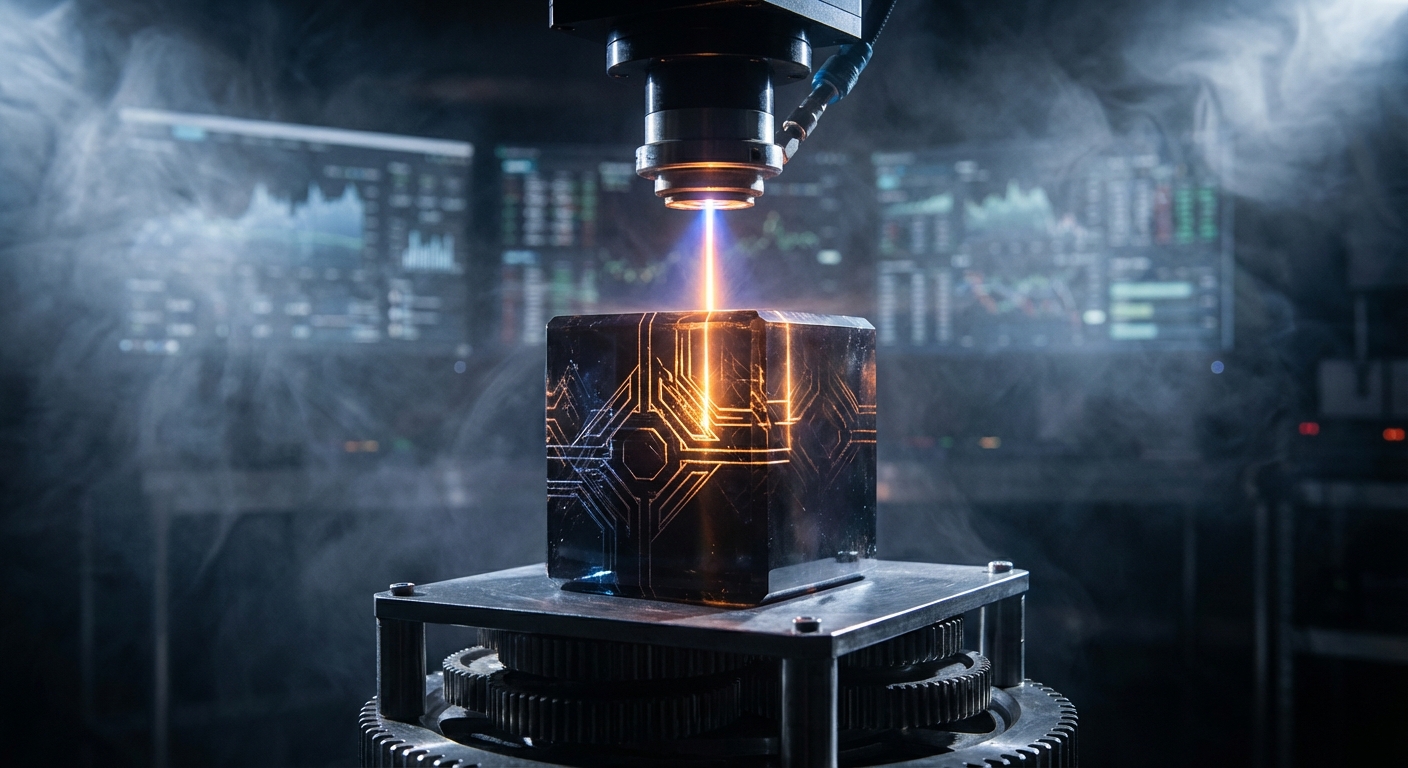
Visual: Fine-Tuning for Specialized Tone and Structural Formatting
Fine-Tuning involves permanently altering a model's weights using a specific dataset. If your goal isn't necessarily adding new facts, but rather perfecting a specific terminology, brand voice, or output format (such as strictly returning JSON), Fine-Tuning is the way to go.
In sectors like legal or finance where specific jargon is vital, we use this method to teach the model "how" to speak. However, it is important to remember: Fine-Tuning does not remove context window limits; it simply specializes the model's pre-existing knowledge base.
Technical Comparison

Visual: Comparing RAG and Fine-Tuning Performance Metrics
| Feature | RAG (Dynamic) | Fine-Tuning (Static) |
|---|---|---|
| Knowledge Recency | Instant / Real-Time | Limited to training data date |
| Hallucination Risk | Minimal (Source-grounded) | Higher |
| Implementation Cost | Low to Medium | High (GPU & Data Prep) |
| Primary Objective | Information Retrieval & Accuracy | Tone, Jargon & Format Alignment |
The Hybrid Approach: The Future of Autonomous Systems
Today, the most successful enterprise AI projects utilize hybrid models that combine both technologies. Fine-tuning the model with your company’s specialized terminology and brand voice, then layering RAG on top for real-time data access, yields the most powerful results. When you add Agentic Workflows with autonomous decision-making capabilities to this mix, you get a system that doesn't just answer questions—it solves problems.
At NextFactor, we champion "technology for outcomes," not just technology for technology's sake. Choosing the right architecture to transform your complex datasets into meaningful insights is the most critical step in your digital transformation journey.
Future-Proof Your Data Strategy
Work with our technical team to build a roadmap that unlocks the potential of your enterprise data through RAG and customized AI solutions.
Schedule a Technical Analysis🚀 Ready to Scale Your Business with AI?
At NextFactor AI, we develop custom autonomous solutions tailored to your brand.
Get a Quote Now →