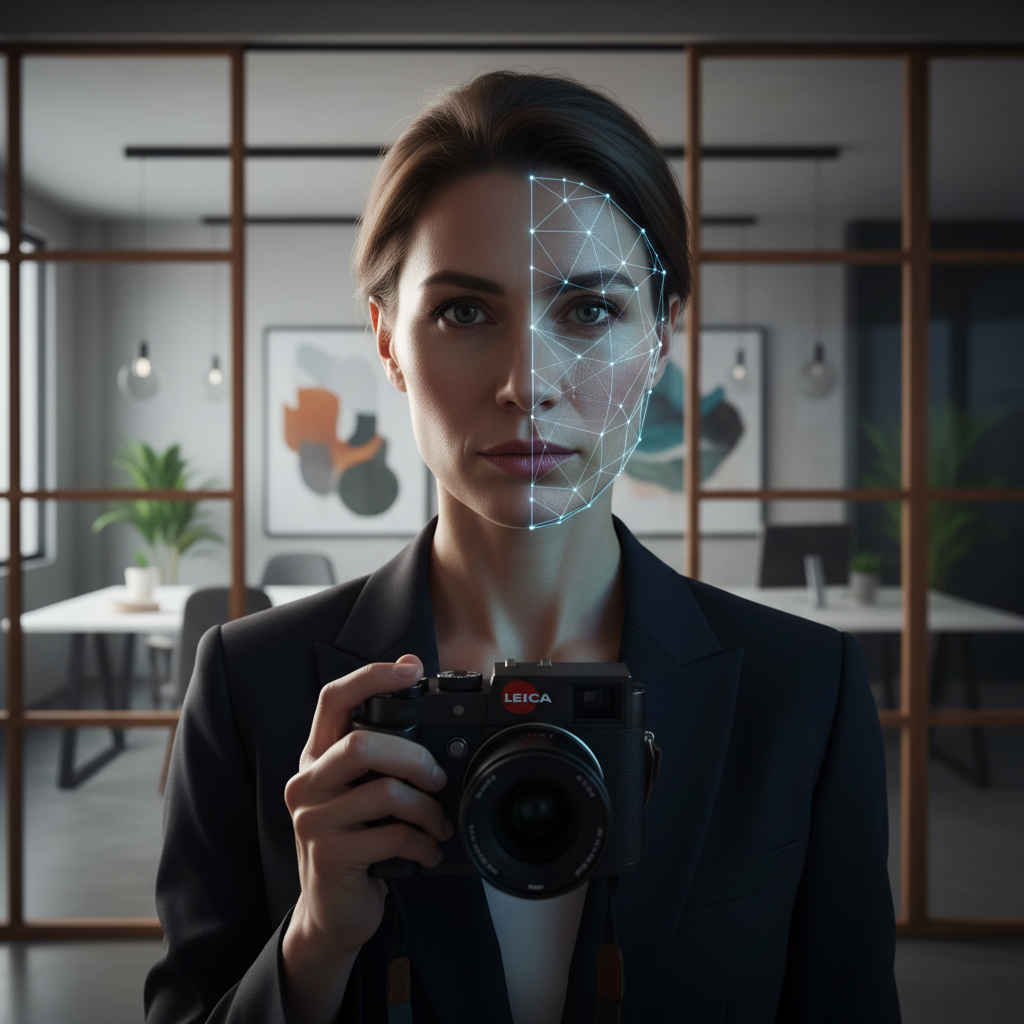
🚀 30-Second Brief (TL;DR)
By 2026, Human Resources will leverage Agentic AI to slash operational loads by 80%, while evolving into the organization's new 'Guardian of Authenticity' against deepfakes and synthetic content.
🚀 Summary: HR Strategy in the Synthetic Era
In 2026, HR is transforming from an administrative department into a hub for "Reality Verification and Operational Architecture." While reducing manual workloads by 80% via Agentic AI, building corporate resilience against deepfake threats is no longer optional—it is a mandate.
HR Vision 2026: Managing Reality in a Synthetic World and the Agentic AI Revolution
It’s 2026, and you’re on a Zoom call. Your CEO appears on screen, requesting urgent budget approval for a high-stakes talent acquisition. The voice, the facial expressions, even that signature habit of adjusting their glasses—everything is flawless. But as the call ends, a cybersecurity alert flashes: the person you just spoke with wasn't the CEO. It was a real-time deepfake projection. This scenario is no longer science fiction; it is the top item on the new "Risk and Security" agenda for HR departments globally.
Artificial Intelligence has evolved from a static tool into an ecosystem of "Agentic AI" (Autonomous Agents). This transformation forces HR professionals to be more than just talent scouts; they must become the organization’s "Reality Guards."
Agentic AI: The New Workforce Reducing Operational Load by 80%
Visual: Agentic AI: The New Workforce Reducing Operational Load by 80%
While traditional automation follows "if-this-then-that" logic, the Agentic Workflows of 2026 are goal-oriented. An HR agent doesn't just parse resumes; it analyzes a candidate’s digital footprint, conducts autonomous reference checks, and calculates cultural fit scores—leaving only the final, nuanced decision to a human.
Industry data indicates that integrating these autonomous systems reduces manual HR operations by up to 80%. However, this efficiency creates a demand for "AI Governance." If an algorithm filters out a candidate, that decision must be transparent and auditable (Explainable AI) to prevent legal and ethical crises.
| Feature | Traditional HR (2024) | Visionary HR (2026) |
|---|---|---|
| Security Focus | Data Privacy (GDPR/Compliance) | Deepfake & Synthetic Identity Verification |
| Role of AI | Content Generation (GenAI) | Autonomous Workflows (Agentic AI) |
| Core Competency | Process Management | Algorithmic Audit & Empathy Architecture |
Deepfake Security Consulting: HR’s New Front Line
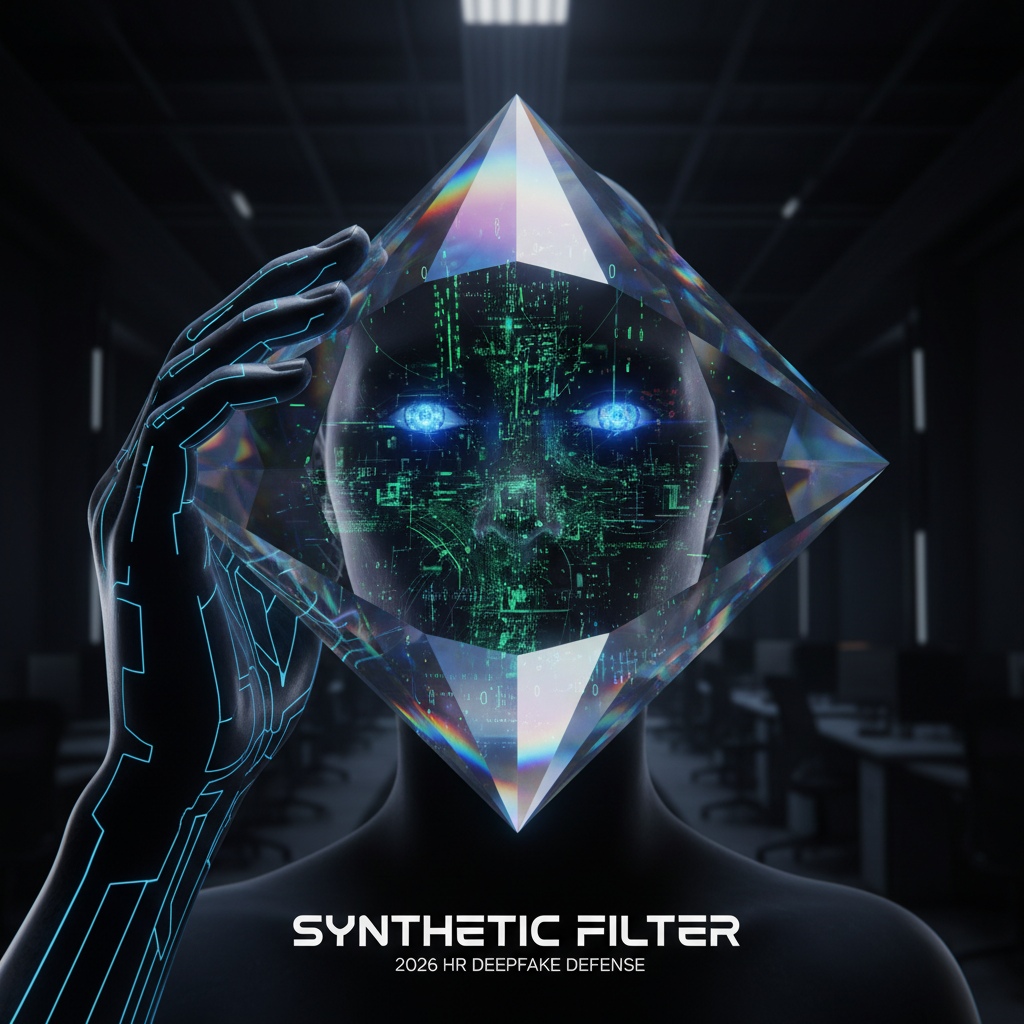
Visual: Deepfake Security: HR's New Defense Line
Deepfake technology is a threat not just to reputation, but to financial and structural security. In 2026, HR interview protocols must incorporate "Synthetic Content Filters" developed in tandem with cybersecurity experts. We are no longer just vetting a candidate’s skills; we are vetting the authenticity of their digital existence.
Concrete Implementation Protocols for HR:
- Biometric Proof-of-Life: During video interviews, using "liveness tests" such as random light reflections or micro-movement commands on the candidate's screen that are impossible to spoof in real-time.
- Blockchain-Verified Credentials: Instant verification of education and certifications via decentralized networks to eliminate synthetic resumes.
- Multi-Factor Identity (MFI): Requiring physical security keys, not just voice or face recognition, for the transfer of critical corporate authorities.
"The speed of technology must be balanced by the deliberate pace of trust. In 2026, the strongest organizations will be those that convert digital skepticism into a corporate culture."
Empathetic Automation and Human-Centricity
As Agentic AI takes over repetitive tasks, it leaves HR professionals with one exclusive domain: Radical Empathy. Algorithms can predict a turnover risk based on data, but only a human can sit down with an employee, maintain eye contact, and understand the deeply personal reasons behind a loss of motivation.
The 2026 vision isn't about replacing humans with technology; it's about treating technology as a "nervous system" that maximizes human potential. AI Governance processes must be audited weekly by ethics boards to ensure this balance remains intact.
Conclusion: A Strategic Crossroads

Visual: The Strategic Crossroads for HR
Your organization’s success in 2026 depends on the technological infrastructure and security protocols you build today. When deepfake attacks become routine rather than exceptions, will your HR unit have the digital literacy to detect them and the vision to manage autonomous systems?
The future is a battleground between synthetic content and authentic values. To secure your place, you must move beyond simple digital transformation and start building an architecture of autonomous trust.
🚀 Build the HR Infrastructure of Tomorrow, Today
At NextFactor AI, we provide specialized consulting on Agentic AI integration and Deepfake security protocols. Contact us to safeguard your digital reality.
Explore Our Expert Consulting →🚀 Ready to Scale Your Business with AI?
NextFactor AI develops custom autonomous solutions tailored to your brand.
Get a Quote Now →