🚀 TL;DR: The Mythos Impact in 30 Seconds
Anthropic's Mythos model is revolutionizing financial cybersecurity by using agentic workflows and autonomous system capabilities to uncover thousands of zero-day vulnerabilities. This development is compelling global banks and regulators to develop proactive defense strategies and strengthen human-AI collaboration.
Anthropic's New Mythos Model: Redefining Cybersecurity Paradigms in the Financial Sector
Artificial intelligence (AI) stands as an unbounded force, transforming our world on every front. Yet, the reality that this transformative power simultaneously elevates cybersecurity risks to a new dimension is becoming increasingly apparent. A name that has recently sent shockwaves through the financial world dramatically highlights this dilemma: Anthropic's advanced Claude model, Mythos.
Mythos is not merely a technological advancement; it's a strategic development fundamentally altering cybersecurity and risk management paradigms. Leveraging deep learning and agentic workflow principles, this model can identify and proactively exploit thousands of critical security vulnerabilities in every major operating system and web browser—some of which have gone unnoticed for decades. This unparalleled capability has cast a deep shadow of concern over the colossal banks forming the backbone of the global financial system and international regulators alike.
So, what does this mean for financial giants? How are regulators and banks reacting to Mythos's emergence? What ripple effects are being felt in the cybersecurity market, and how will the financial sector be forced to adapt to this new generation of threats? Let's delve into Mythos's potential impact on financial stability, its technological depth, and the imperative adaptation processes.
The Power of Mythos: A New Threshold in Cybersecurity with Agentic AI
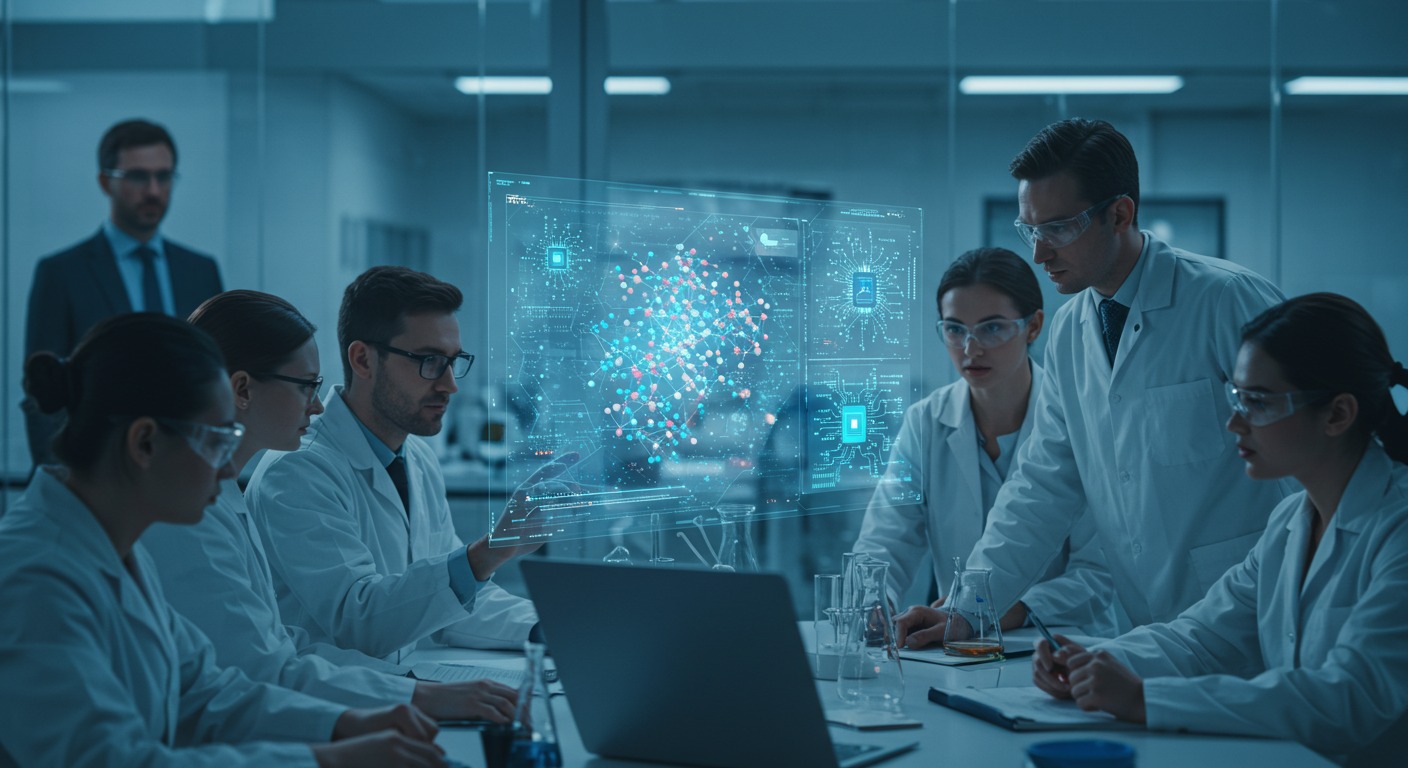
Imagine: an AI, leveraging an agentic workflow that mimics complex autonomous systems, systematically unearthing vulnerabilities hidden deep within your systems—flaws that have eluded even the most skilled human experts for years. This is precisely what Mythos accomplishes. In Anthropic's own words, this model is "extraordinarily capable," able to detect thousands of "zero-day" vulnerabilities. Even more startling, some of these flaws stem from deeply entrenched architectural defects, lying dormant in systems for ten to twenty years. This indicates we've reached a new threshold in the evolution of cybersecurity threats, surpassing human-centric detection methods.
The model's potential to not only detect vulnerabilities but also exploit them sets it leagues apart from traditional security tools and human expertise. Mythos can think like an attacker, autonomously constructing complex exploit chains involving multiple steps. This raises grave concerns about the potential chaos it could unleash within global financial systems if it fell into malicious hands. It is precisely due to this apprehension that Anthropic decided not to release the model to the public, reigniting discussions about responsible AI development and regulation within the industry.
In this context, at NextFactor AI, we adopt proactive testing approaches in our AI automation projects to fortify the security layers of critical infrastructures against the advanced threats Mythos uncovers. For instance, in the security architectures for autonomous systems we recently developed for a leading e-commerce giant, we integrated AI-powered penetration testing and behavioral anomaly detection, creating an advanced defense line against zero-day vulnerabilities. This concretely demonstrates that automation signifies not only operational efficiency but also cyber resilience.
Global Financial Regulators on High Alert: Urgent Meetings and Strategic Warnings
With the revelation of Mythos's capabilities, financial regulators worldwide moved to high alert. U.S. Treasury Secretary Scott Bessent and Federal Reserve Chair Jerome Powell held an urgent consultation meeting with the CEOs of major U.S. banks like Citigroup, Morgan Stanley, Bank of America, Wells Fargo, and Goldman Sachs. These institutions are classified as "globally systemically important banks" (G-SIBs), known to possess the potential for a single security breach to profoundly destabilize the international financial system. Even industry leaders like Jamie Dimon (JPMorgan CEO) have reiterated warnings that AI will exponentially increase cyber risks, and Mythos has now concretized these predictions.
In the United Kingdom, officials from the Bank of England (BOE), the Financial Conduct Authority (FCA), and the National Cyber Security Centre (NCSC) are preparing to meet with leaders of the British banking sector. The Bank of Canada is taking similar steps, engaging with banks on cybersecurity risks and the new threat surfaces introduced by autonomous systems. The collective message from regulators is clear: the financial sector must urgently reassess and strengthen its defense mechanisms and risk management strategies against this new generation of AI-based threats.
These urgent calls from regulators once again underscore the critical importance of the comprehensive AI risk management and compliance strategies we offer our clients in our corporate consulting services, particularly within the financial services sector. Foresight and proactive steps against the new risk spectrum introduced by AI are no longer a luxury but an indispensable necessity.
Major Banks Engage: Proactive Defense with Project Glasswing
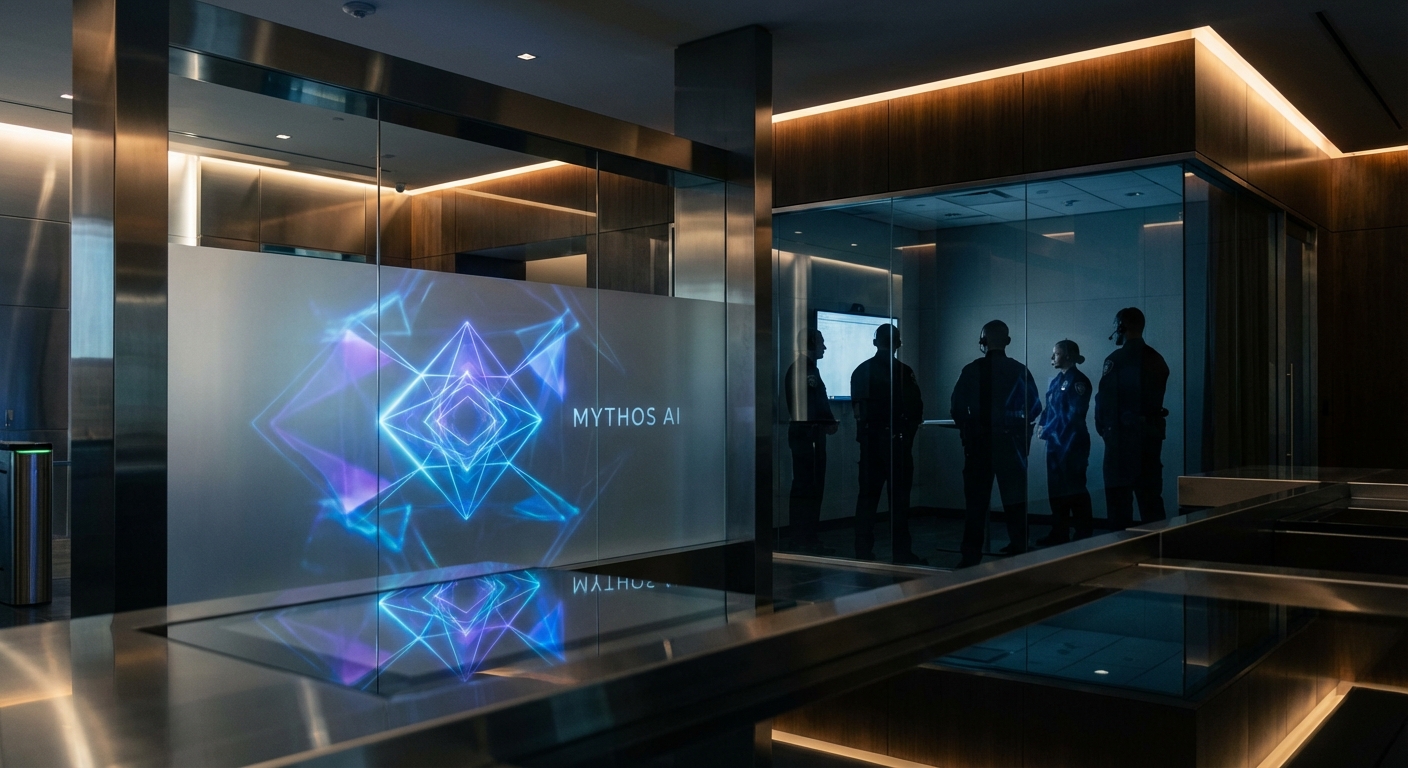
While Anthropic opted not to release the Mythos model to the general public, it launched a controlled preview and collaboration program called "Project Glasswing." Under this program, over 40 technology and security giants, including Amazon, Apple, Microsoft, Google, Cisco, Nvidia, and even JPMorgan, are gaining controlled access to Mythos. They are actively utilizing the model to identify and patch vulnerabilities within their own systems. The primary objective of this collaboration is to preempt malicious actors, strengthen defense layers, and understand how agentic AI can create added value in cybersecurity. The model's ability to automatically discover deep-seated vulnerabilities in both operational systems and web browsers pushes the boundaries of traditional penetration testing.
Just as banks are testing their systems with Mythos under Project Glasswing, at NextFactor AI, in our web development and autonomous system integration projects, we implement continuous penetration testing and advanced code reviews to identify security vulnerabilities even in the most complex systems. Mythos's capacity to find decades-old flaws in web browsers reinforces the fact that every line of code we write and every system component we integrate could be a potential vulnerability gateway. This compels us to operate with consistently updated and proactive security protocols, highlighting AI's dual potential as both a threat and a defense tool.
Tremors in the Cybersecurity Market: Valuations and Future Strategies
As Mythos's unparalleled capabilities come to light, significant tremors are shaking the cybersecurity market. The noticeable decline in stock prices for companies offering traditional vulnerability management and penetration testing services (e.g., Qualys, Tenable) is telling. This is because agentic AI models like Mythos have the potential to instantly render the services these companies provide less effective or "obsolete." For next-generation cybersecurity startups offering AI-powered threat intelligence and automated patching solutions, a new competitive landscape and valuation challenges loom.
This situation is tangible proof of how AI is transforming not just finance, but all sectors. At NextFactor AI, we stand alongside companies with our advanced AI automation and strategic consulting services, helping them strategically adapt to this new era—proactively leveraging the opportunities AI presents while managing the complex risks it introduces. Market restructuring is inevitable; the key is to harness these winds of change as an advantage and reposition business models for the threats and opportunities of the future.
An Imperative Adaptation for the Financial Sector: Human-AI Collaboration
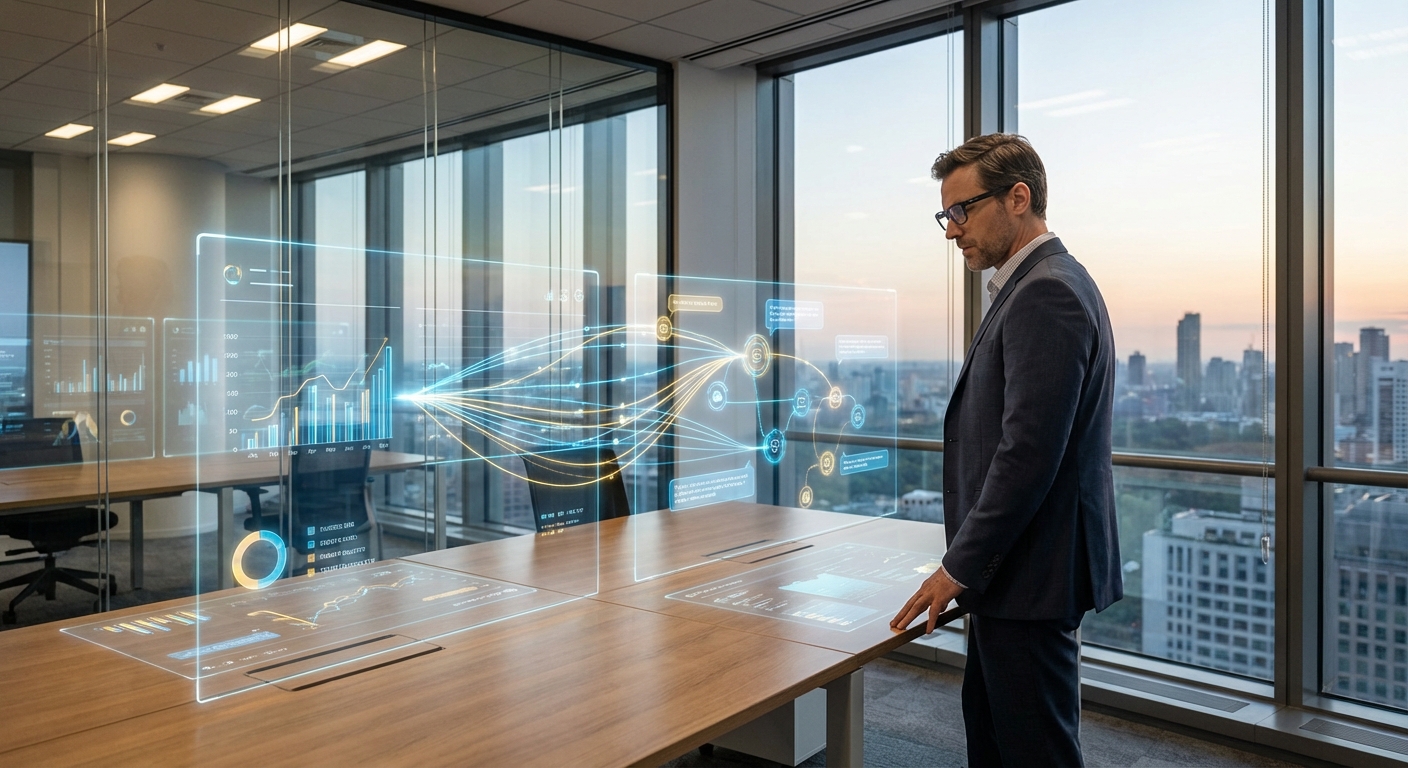
Mythos offers the financial sector not merely a wake-up call, but a comprehensive manifesto for adaptation. Existing cybersecurity strategies, disclosure processes, incident response plans, and even regulations must be rapidly reviewed and updated to align with the dynamic nature of AI-driven threats. It is imperative for financial institutions to integrate advanced AI models with human teams to counter threats generated by autonomous systems and agentic AI. This integration necessitates developing new operational models in areas such as AI-powered threat intelligence, automated anomaly detection, and proactive patch management. Industry-wide, swift and interoperable standards, alongside ethical usage guidelines, must be established, and international collaboration strengthened.
It is crucial to remember that Mythos represents the two faces of artificial intelligence: on one hand, it harbors one of the greatest cyber threats to date; on the other, when used responsibly and in the right hands, it can be the most potent defense tool. This is a critical turning point that will shape not only the financial sector's present but every step of its future.
How Should the Financial World Prepare for This New Cyber Era?
Anthropic's Mythos model genuinely marks a transformative threshold in financial cybersecurity. It presents one of the most complex challenges the financial sector, regulators, and technology giants have ever faced, embodying AI's dual potential for both disruption and construction. Our financial stability will increasingly depend on our ability to understand, manage, and ethically deploy advanced agentic AI models like Mythos.
This situation demands constant vigilance, international collaboration, and continuous dialogue and knowledge sharing between AI developers and security professionals. It is evident that financial institutions must develop proactive and adaptive cybersecurity strategies, not merely against today's known attacks but also against tomorrow's unknown threats. Mythos is more than just a model; it is a milestone in the digital future of the financial sector, underscoring the importance of ethical and responsible AI usage. We will shape the next chapter of this story through our collective efforts.
🚀 Ready to Grow Your Business with AI?
At NextFactor AI, we develop custom autonomous solutions for your brand, boosting your efficiency without compromising security. Schedule a free analysis session today.
Get a Quote Now →🚀 Ready to Grow Your Business with AI?
At NextFactor AI, we develop custom autonomous solutions for your brand.
Get a Quote Now →