2026 Outlook: The Escalating Talent War in Autonomous Systems – Hybrid Robotics and AI Expertise Takes Center Stage
From the strategic vantage point of 2024, looking ahead to 2026, autonomous systems are no longer confined to science fiction; they have become cornerstones of operational reality across a wide spectrum, from highways to mining sites, logistics warehouses to smart factories. This transformation is fundamentally reshaping transportation, supply chain management, industrial automation, and even defense technologies, ushering in a new technological era. However, one of the most significant challenges accompanying this revolutionary progress is an unprecedented talent war within the autonomous systems sector. Companies worldwide are engaged in intense competition to attract and retain professionals in critical expertise areas that will shape the industrial future in 2026 and beyond.
The most prized players in this talent struggle are emerging as "hybrid experts" – professionals who seamlessly integrate traditional robotics skills with advanced artificial intelligence (AI) competencies. The market value of these professionals is skyrocketing, as the future of physical AI hinges on this rare and comprehensive knowledge base. In this article, we will delve into the key factors fueling the talent war in the autonomous systems sector, the most sought-after skill sets by 2026, the astronomical salary expectations in this specialized field, and the long-term implications of these dynamics for the industry's evolution.
1. The Era of Physical AI: A New Frontier in Industrial Autonomy
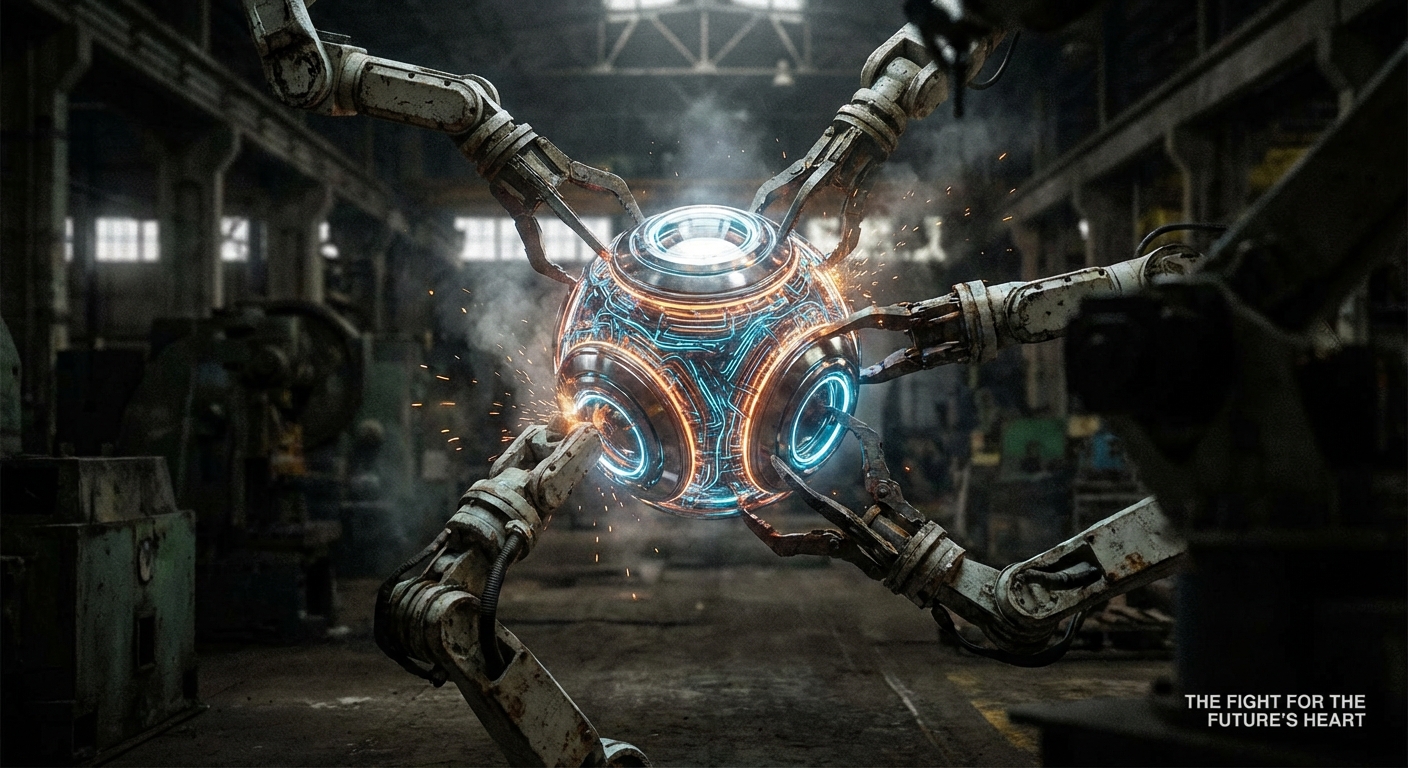
Image: The integration of autonomous systems in future factories highlights the transformative role of physical AI in industrial evolution.
At the heart of the talent struggle in the autonomous systems sector lies the concept of "physical AI," as defined by Bitget's 2024 analysis for TechCrunch Mobility (Source 1) with a 2026 outlook. So, what exactly does this concept entail? Physical AI encompasses the applications of artificial intelligence in the tangible, physical world, such as robotics, defense technologies, industrial automation, and autonomous vehicles. This refers to a comprehensive set of systems where AI interacts not just with digital data but with real-world sensor data, exhibiting capabilities in perception, complex decision-making mechanisms, and dynamic action planning. Such systems can actively interact with their environment, generate adaptive solutions to changing conditions, and perform specific tasks autonomously, guided by "Agentic Workflow" principles. An Agentic Workflow denotes an autonomous process management where an AI system dynamically defines and manages sub-tasks to achieve a complex goal, continuously optimizing itself through feedback loops, and requiring minimal external intervention.
Robotaxis, heavy-duty autonomous trucks, and driverless delivery vehicles are the most visible pioneers of this physical AI revolution. Advances in these areas have the potential to fundamentally transform not only individual transportation and logistics processes but also global supply chains and industrial operations. Demand is also observed beyond just roadways. For instance, according to a Mining.com.au report published in 2024 with 2026 projections (Source 5), the mining sector is showing significant interest in Everrati's unmanned ground vehicles (UGVs) to minimize human intervention in challenging and risky conditions. Similarly, a Marine News Magazine report from 2024 on 2026 developments (Source 6) indicates that AI integration, through collaborations like HII and GrayMatter Robotics in the shipbuilding industry, has increased production efficiency by up to 30% and optimized labor. These striking examples clearly demonstrate how widespread the need for integrated capabilities has become across a broad industrial spectrum, extending beyond just automotive, and highlight the critical importance of integrating autonomous systems operating on Agentic Workflow principles.
2. The Desired Profile: A Synergistic Blend of Traditional Robotics and AI
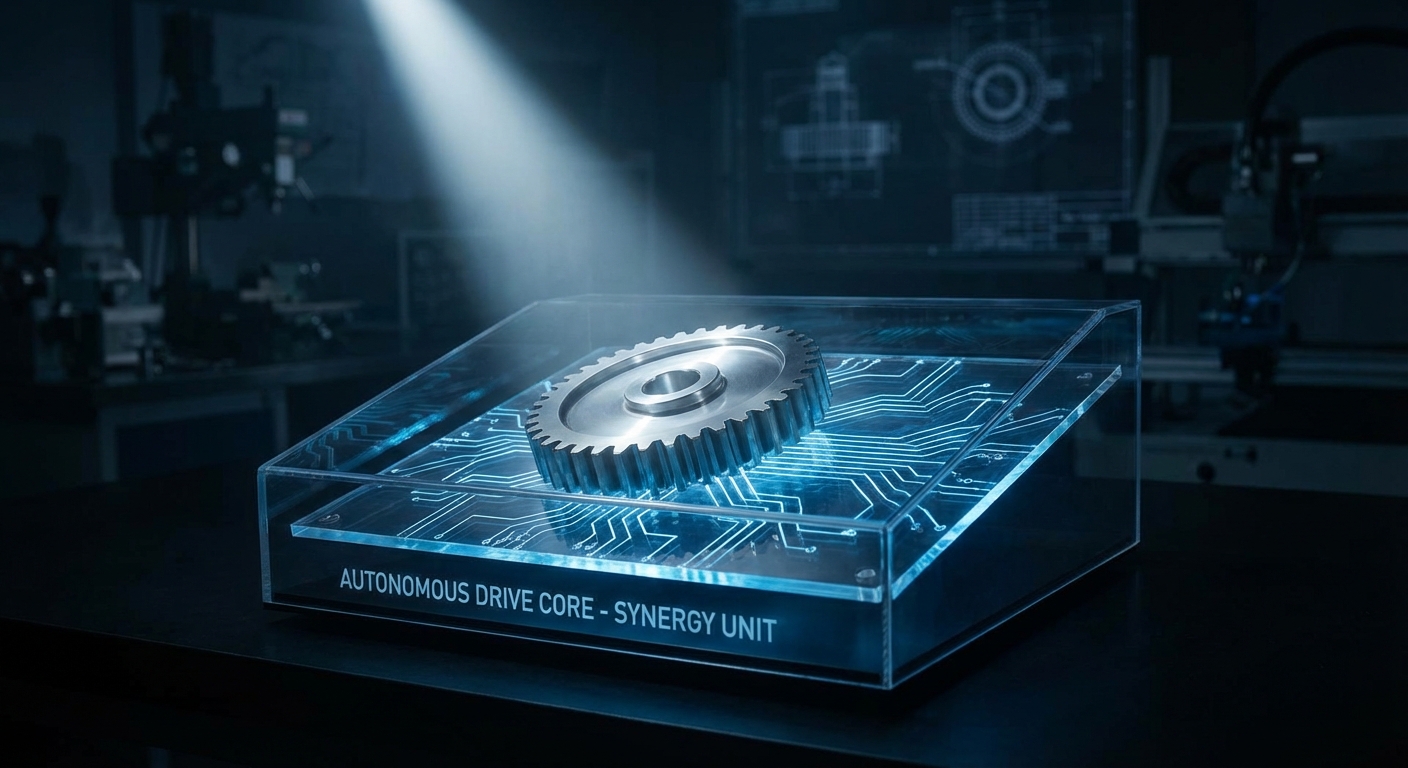
Image: The intersection of robotics and artificial intelligence visualizes the critical hybrid expertise needed for future autonomous systems.
According to leading founders in the industry, the ideal candidate profile for autonomous vehicle and, more broadly, autonomous systems companies, is a synergistic fusion of traditional robotics engineering skills with advanced artificial intelligence competencies (Source 1, 2). This goes far beyond being just a software developer who creates abstract code or a roboticist who solely designs mechanical hardware; it requires a deep understanding of both disciplines, their interplay, and their integration. These versatile experts are professionals capable of applying robotic control systems, sensor fusion, algorithmic decision-making, and complex machine learning models to real-time physical systems, while also being knowledgeable in safety protocols, ethical AI principles, and cybersecurity.
In this context, the most critical competency is the ability to flawlessly integrate AI with hardware. Experts who can combine AI with all types of physical systems—from humanoid robots to industrial manipulators, autonomous forklifts to construction, mining, and agricultural equipment—create invaluable worth by ensuring these systems operate reliably, efficiently, autonomously, and adaptively. As highlighted in a 2024 analysis by Robotics & Automation News with a 2026 outlook (Source 8), robotics engineering is a complex yet efficient intersection of many sub-fields, including mechanical engineering, electrical engineering, computer science, artificial intelligence, and control systems. Mastery of all these areas simultaneously has become indispensable for solving real-world problems, modeling the complex behaviors of autonomous systems, enhancing their predictability, and enabling effective Agentic Workflows. Companies must focus on strategies to transform and develop their existing teams with professionals possessing this integrated knowledge, as true transformation is possible not just through software, but through hardware-software integration and physical AI applications.
3. The War for Talent: Soaring Salaries and Fierce Competition

Image: A rapidly rising salary graph for autonomous systems specialists in the global talent market highlights the intense competition.
The salary expectations for professionals with such valuable and rare expertise have reached astronomical levels, directly reflecting the intense competition in the sector. For experienced "hybrid" talents, base salaries, excluding bonuses and stock options, are ranging between $300,000 and $500,000 USD (Source 1, 2). This clearly indicates an unprecedented demand in the talent market and the strategic value of specialized labor in certain areas.
One of the most significant factors fueling this salary increase is the rise of defense technology startups, generously funded by the U.S. Department of Defense (Source 1, 2). Critical positions such as "applied researcher" or "AI enablement engineer" are highly sought after by these firms, commanding substantial salaries. Talented experts working on autonomous trucks and robotaxis are increasingly gravitating towards higher-paying, strategic "physical AI" roles in defense, putting immense pressure on traditional automakers and autonomous vehicle startups. This situation forces companies to increase compensation to avoid losing key talent. A 2024 TechCrunch report, with a 2026 outlook (Source 2), notes that sector leaders like Waymo are further fueling this competition with "price insensitivity." This scenario compels startups with substantial investments but limited budgets, and some automotive giants, to re-evaluate their talent strategies and offer competitive packages. Companies must seek strategic consulting services and develop alternative talent development and retention programs to gain competitive advantages in this complex talent market. This implies not only raising salaries but also offering an attractive corporate culture, technological challenges, and career development opportunities.
4. Humanoid Robots vs. Autonomous Vehicles: Convergence and Distinctions
While humanoid robot demonstrations have captivated the market for some time, ASI CEO Mel Torrie, in a 2024 interview with Robotics & Automation News with a 2026 perspective (Source 3), states that autonomous vehicles currently offer more accessibility and industrially proven value than humanoid robots. The primary reasons include the high development and production costs of humanoid robots, the complexity and energy consumption of bipedal movement, and an as-yet unproven return on investment for specific use cases. Autonomous vehicles, on the other hand, offer faster scalability and immediate industrial benefits in controlled environments (highways, enclosed factory areas, mining sites). Particularly in heavy-duty transportation, logistics, and hazardous field operations, autonomous vehicles are already delivering increased efficiency and safety.
However, this does not diminish the future potential of humanoid robots. According to a 2024 Forbes report, with expectations for 2026 (Source 4), major organizations like Hyundai Motor are bolstering their AI and robotics investments by planning to deploy Boston Dynamics' latest Atlas model in their factories for complex assembly and inspection tasks. Both fields converge under the umbrella of "physical AI," and experts with integrated skills possess the fundamental knowledge and abilities to accelerate progress in both areas. While humanoid robots will play a critical future role, especially in tasks requiring complex manipulation and human-like interaction, autonomous vehicles primarily excel in mobility and logistics-focused Agentic Workflows. With improvements in energy efficiency, safety, and overall capabilities, humanoid robots could also secure a significant place in the industrial market, and the synergistic development of both technologies will accelerate. This convergence will further solidify the future role of physical AI specialists.
5. Industry Impact and Future Strategies
The outcomes of this intense talent struggle will not be limited to salary tables; they will have a decisive impact on the pace and direction of innovation in the sector. Automakers and next-generation autonomous systems startups will struggle to retain qualified driving engineers and physical AI specialists, potentially leading to a critical brain drain (Source 2). This indicates that for startups to survive, they must either secure more funding or utilize existing funds far more intelligently to develop talent retention strategies. Furthermore, this migration could lead to innovation concentrating in specific hubs, leaving smaller players behind in the competition.
Companies that can attract and retain top talent will gain a distinct competitive advantage. Another article published by Robotics & Automation News in 2024 (Source 8), with a 2026 outlook, emphasizes that technical mastery in robotics engineering is a continuously evolving and developing target. This necessitates that companies not only attract new talent but also develop innovative strategies to preserve and transfer existing knowledge, and support continuous learning for their employees. In a special report by Axios published in 2024 (Source 7), with projections for 2026, it's noted that tech giants like Google are investing significantly in new research and training programs to cultivate an AI-ready workforce. Such proactive initiatives will play a critical role in bridging the future talent gap and fostering a sustainable innovation environment.
For companies, developing concrete strategies to cope with this global talent war is essential:
- Skills Development and Continuous Learning: Provide comprehensive training and certification programs to existing engineering teams in AI, deep learning, robotic integration, cybersecurity, and Agentic Workflow to enhance internal competency and ensure they remain up-to-date.
- Academic Collaborations and Early Talent Discovery: Conduct joint research projects with universities, offer applied internship programs, graduate scholarships, and mentorship programs to discover and cultivate talent at an early stage. This enables students to gain real-world experience before entering the industry.
- Flexible Work Models and Comprehensive Benefits: To attract and retain highly qualified specialists, offer not only competitive salary packages but also flexible working hours, remote work opportunities, comprehensive health and life insurance, retirement plans, and autonomy in advanced technology projects.
- Innovation-Driven Culture and Career Development: Foster an open-minded R&D culture that offers employees opportunities for continuous learning, experimentation, patenting, and pushing boundaries. Furthermore, provide clear career paths and promotion opportunities to boost employee motivation and loyalty.
- Leveraging Global Talent Pools: Develop strategies to attract specialists from not only local but also global talent pools, offering them international work environments. This also brings cultural diversity and different perspectives.
As the autonomous systems sector advances toward 2026, it stands at the heart of a global talent war where hybrid robotics and AI experts are in unprecedented demand. In the age of physical AI, these professionals with integrated skills are key figures shaping the future of all physical AI applications and Agentic Workflow principles, from autonomous vehicles to mining, shipbuilding, industrial automation, and defense technologies. The entry of new players, particularly defense technology startups and major tech companies, is further intensifying competition. This creates both immense opportunities for skilled labor and significant strategic challenges for industry leaders.
Companies must urgently re-evaluate their strategies to attract, develop, and retain this critical talent, not only by offering competitive salaries but also by creating innovative, continuously learning, and satisfying work environments. This talent war will remain one of the most crucial factors determining industry leaders and innovators in the coming years. For individuals, developing "hybrid" expertise in robotics and AI is a smart investment, offering the brightest and most strategic career opportunities of the future. Let it be remembered that the future is being shaped by integration, the effective use of autonomous systems, and the visionary hands of hybrid talent.
🚀 Ready to Grow Your Business with AI?
At NextFactor AI, we develop custom autonomous solutions for your brand. We empower you to gain a competitive advantage by digitalizing your business processes and enhancing them with AI automation.
Get a Quote Now →