From Hype to Pragmatism: The Rise of Reliable Agents and Physical AI
🚀 TL;DR: The 30-Second Brief
AI has evolved from conversational chatbots to 'Reliable Agents' that autonomously manage complex business processes. This article explores the shift toward Agentic Workflows and Physical AI through an ROI-focused lens.
With the release of models like GPT-4o and the integration of Apple Intelligence, our relationship with AI has evolved far beyond a simple 'chat' experience. The initial sense of wonder we felt in late 2022 has matured into a demand for tangible outcomes and operational efficiency. Today, the question being asked in boardrooms isn’t about the aesthetics of a generated poem; it’s about the direct impact of autonomous systems on the bottom line. We call this 'The Great Maturation'—the era of pragmatism where AI moves from the showcase to the production line, logistics networks, and core decision-making frameworks.
From Pilot to Production: The ROI of Agentic Workflows

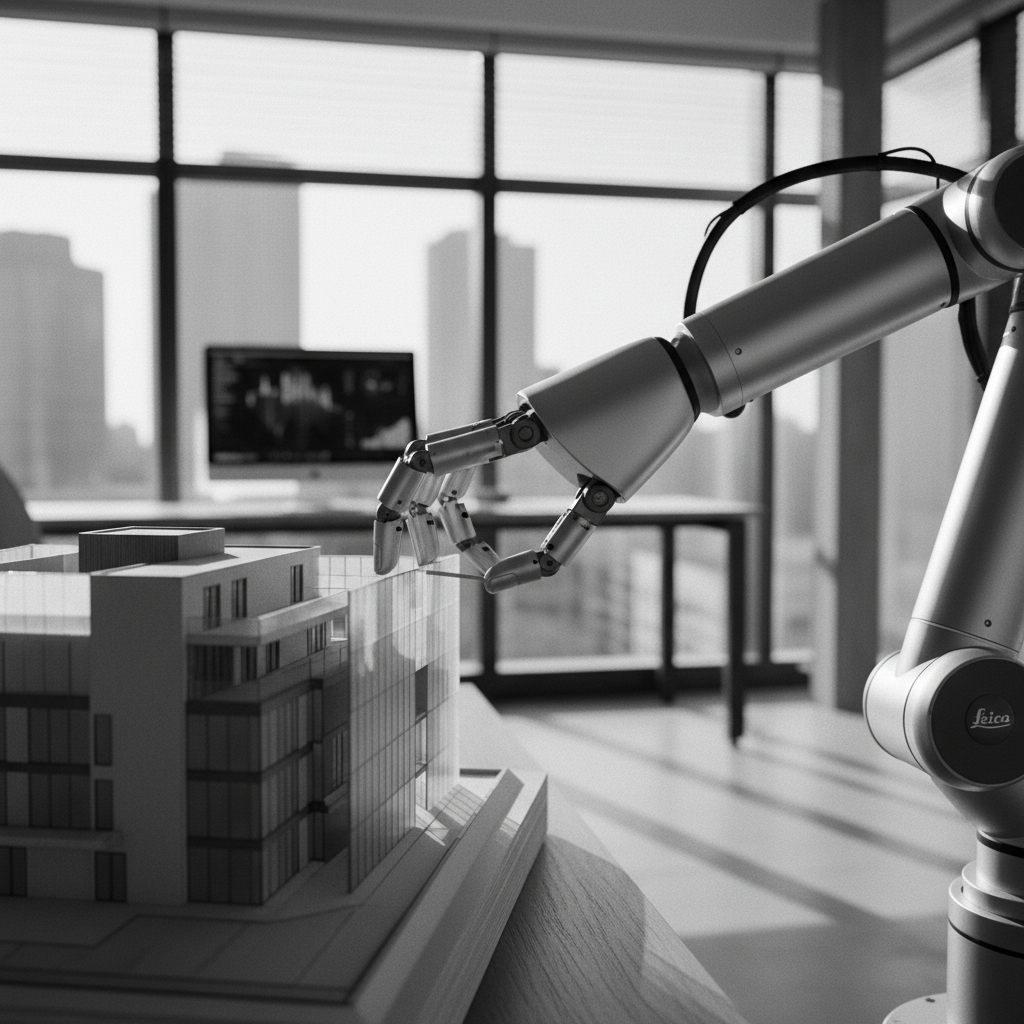
Visual: Moving from digital concepts to physical operational ROI.
The success of AI is no longer measured by how 'smart' it appears, but by how flawlessly it manages Agentic Workflows. In high-stakes fields like law, biomedicine, and genomics—where the margin for error is zero—the focus has shifted to Reliable Agents. These are systems that don’t just offer answers; they provide transparent, rational, and data-backed decisions. It is no longer enough for an algorithm to provide a result; it must explain its logic (Explainable AI) and demonstrate which datasets were used to reach a conclusion.
"Imagine managing a global logistics network. An autonomous agent detects a potential disruption in the Suez Canal via real-time news feeds, checks your current inventory levels, and automatically reroutes shipments before the crisis even breaks—saving the company millions in potential losses. This isn't just data processing; it's an enterprise reflex."
Autonomous Agents: Moving from Suggestion to Execution

Visual: Autonomous agents as active decision-makers in the enterprise stack.
Legacy digital assistants were passive; they waited for commands or provided information. Modern autonomous agents and protocols are action-oriented. These systems integrate directly into a company’s ERP software and cloud infrastructure to handle tasks from start to finish. They don’t just read data; they extract meaning and take autonomous action without requiring human oversight. In short: they are no longer just advisors; they are **executors**.
- Self-Correcting Loops: An agentic workflow observes the outcome of its decision. If a deviation occurs, it automatically corrects the next step—functioning like a continuously learning organism.
- Dynamic Resource Management: It optimizes server capacity or production line speed in real-time based on workload, much like an intelligent highway that shifts lanes as traffic increases.
- Strategic Autonomy: Within defined KPIs, it simulates alternative scenarios to choose the most cost-effective path, planning moves ahead like an AI grandmaster to ensure a competitive win.
Physical AI: Where Digital Logic Meets Matter
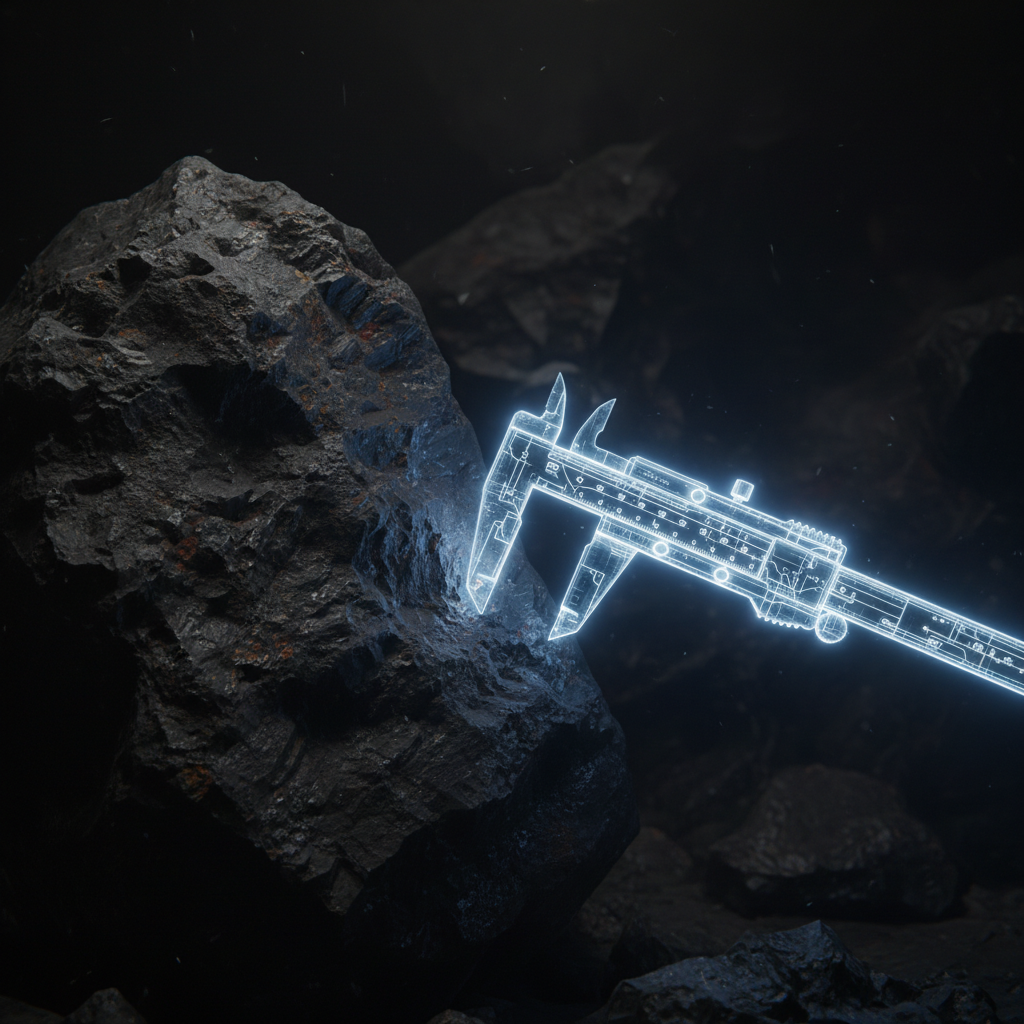
Visual: Bridging the gap between bits and atoms through Physical AI.
Physical AI is often misunderstood as being limited to humanoid robots. In reality, Physical AI refers to the bridging of digital intelligence and physical reality through sensors and IoT devices. For example, a cooling algorithm that processes real-time temperature and humidity data in a data center to reduce energy consumption by 30% is a prime example of Embodied AI.
At NextFactor, we don't believe in trapping AI behind a screen. We build integrated engines that can, for instance, automatically throttle marketing spend or trigger emergency alerts for logistics teams the moment warehouse temperatures exceed a critical threshold. This is intelligence escaping its digital cage to manage the constraints and opportunities of the physical world. Your AI becomes a partner that **thinks and acts** on your behalf.
Conclusion: The Future Belongs to the Executors
The world of artificial intelligence has moved past theoretical debates and 'hype' bubbles. The winners will be those who can position autonomous systems as reliable business partners. At NextFactor AI, we guide brands through this complex transition, building not just technology, but operational trust. The future doesn't just belong to those who dream; it belongs to those who translate those dreams into the physical world through flawless code and autonomous workflows. **Are you ready?**
🚀 Let’s Build the Autonomous Future Together
Don't just digitize your business processes—transform them into autonomous powerhouses with NextFactor AI. Contact us for pragmatic, ROI-driven solutions.
Schedule Your Analysis Meeting Now →🚀 Ready to Scale Your Business with AI?
NextFactor AI develops custom autonomous solutions tailored to your brand.
Get a Quote Today →