
Mastering EOL: An Engineering Roadmap from Technical Debt to Open Source Sovereignty
In modern IT infrastructures, the "End of Life" (EOL) milestone is often met with a wave of panic and a cycle of reactive purchasing. However, from an engineering perspective, the cessation of vendor support is not a disaster; it is the moment when full ownership of the system—Technological Sovereignty—truly begins. This article analyzes how to transform EOL processes into a strategic advantage through containerization, open-source migration, and autonomous auditing mechanisms, balanced against cost and security.

1. Hardware Lifecycle and TCO Analysis: Energy vs. Efficiency
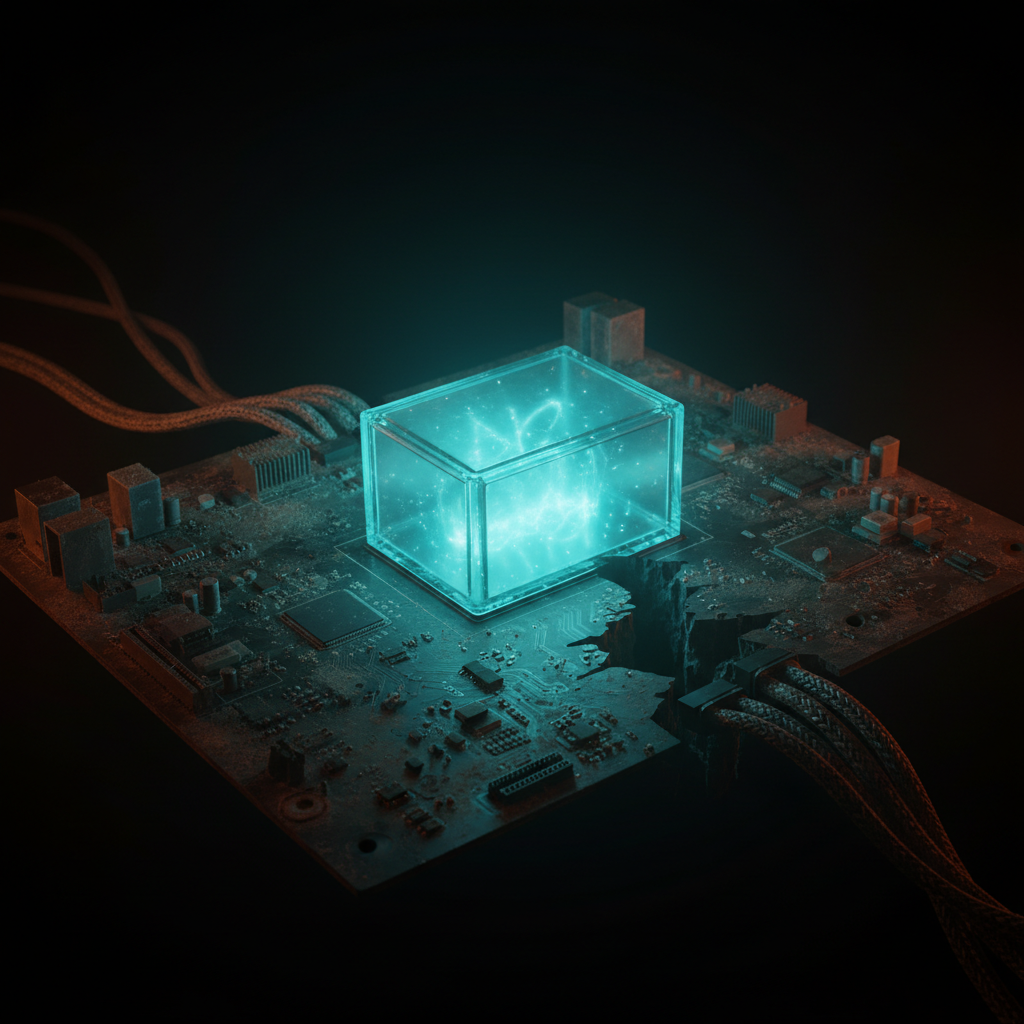
Figure 1: Isolation of legacy hardware through modern orchestration layers.
Reviving legacy hardware isn't just about making it "work"; it requires a rigorous Total Cost of Ownership (TCO) analysis. While it is theoretically possible to spin up Docker on a 10-year-old server (e.g., a Dell PowerEdge R710), the Performance-per-Watt ratio may be up to 400% less efficient than a modern counterpart.
The Performance/Watt Balance: If your workload requires 24/7 high CPU utilization, the electricity consumed by legacy hardware can wipe out the advantage of fully depreciated equipment within 6-8 months. However, for low-frequency microservices, test environments, or log retention units, these devices are ideal. By utilizing Docker on minimal operating systems like Debian Stable or Alpine Linux, you can allocate hardware resources exclusively to the workload, minimizing energy waste.
2. Containerization and the "Shared Kernel" Risk
Containerization provides an excellent abstraction for running legacy applications on modern operating systems. However, a critical security caveat exists: the Shared Kernel. Unlike Virtual Machines (VMs), containers do not have their own kernels; they utilize the host operating system's kernel.
If the host OS is forced to run an outdated kernel (e.g., Linux Kernel 3.x) due to hardware compatibility, your application remains vulnerable to kernel-level exploits (e.g., Dirty COW), regardless of how modern the container image is. Therefore, an EOL hardware containerization strategy must be supported by Micro-Segmentation. Isolating risky devices at the physical or vLAN level and utilizing Agentic Workflow-based autonomous agents to pull only necessary metrics is the only way to narrow the attack surface.
3. Software Migration: Rescuing Data from SharePoint 2010 to Directus
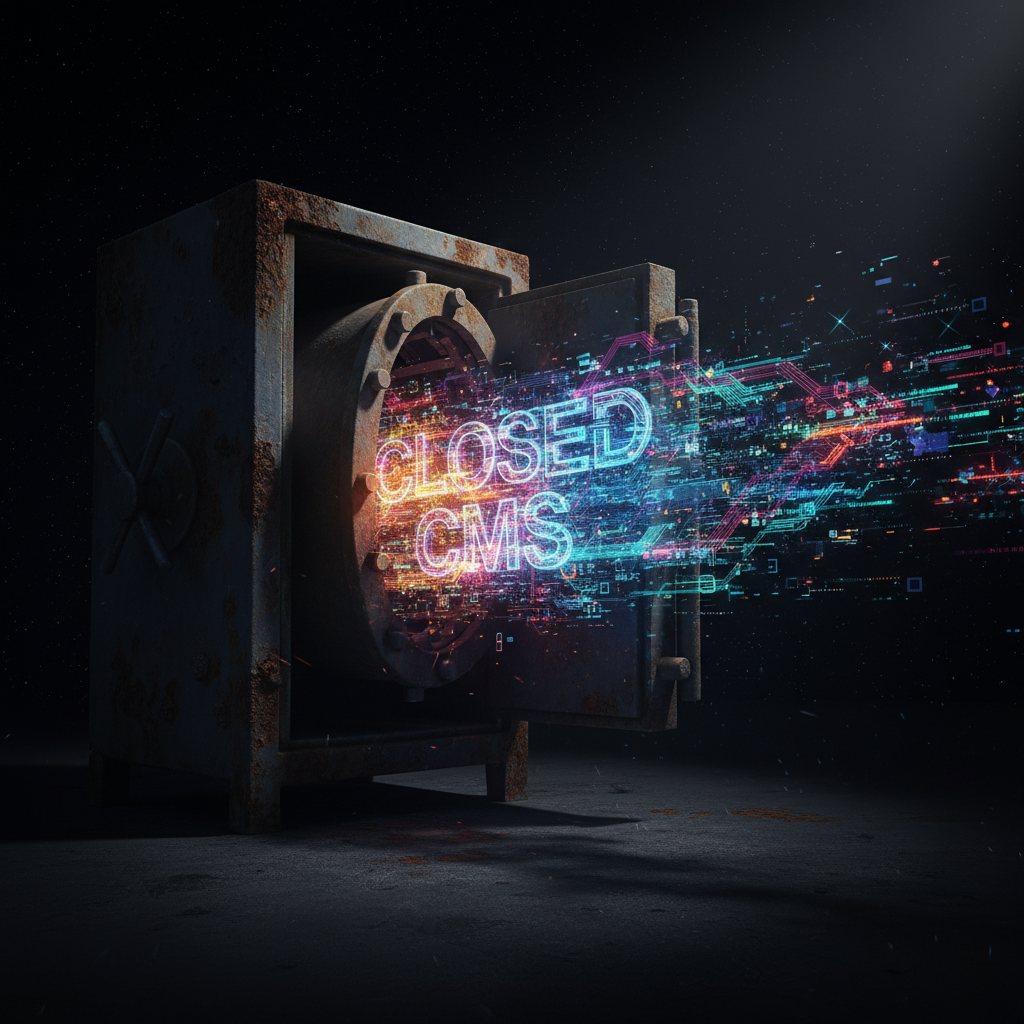
Figure 2: Simulating the transition from closed-source monolithic structures to modern API-first architecture.
In a recent case study, we addressed a SharePoint 2010 infrastructure that had lost support and failed cybersecurity audits. The organization's data was trapped in an aging version of SQL Server. Instead of a risky "lift-and-shift," we created an RDBMS abstraction layer using Directus (an Open Source Headless CMS).
Why Directus? Directus sits on top of your existing database and wraps it in a modern API (REST/GraphQL) without altering the data structure. This allowed us to expose the data through a secure, Node.js-based layer protected against SQL injection. This transformation didn't just eliminate $45,000 in annual licensing and support fees; it enabled a front-end transition to React/Next.js, boosting user experience (UX) speed by 300%. This is more than a cost reduction; it is the modernization of a system by purging technical debt.
Technical Comparison: Legacy EOL vs. Strategic Modernization
| Metric | Traditional EOL Approach | Strategic Containerization |
|---|---|---|
| Security | High Zero-Day Risk | Encapsulated & Isolated (vLAN + WAF) |
| Scalability | Vertical (New RAM/CPU) | Horizontal (K8s/Docker Swarm) |
| Efficiency | 20% Idle Hardware Loss | 85%+ Hardware Utilization |
4. CERN and NASA: Proving Scalable Trust

Figure 3: Open-source standards in the management of large-scale scientific data.
CERN’s MAlt (Microsoft Alternatives) project was born from the threat of licensing costs increasing tenfold. CERN engineers regained operational control by migrating not just software, but entire workflows to the CentOS (now AlmaLinux/Rocky Linux) and Kubernetes ecosystems. Similarly, NASA manages software used in spacecraft that can never be replaced due to hardware constraints by using autonomous monitoring agents and Python-based analysis layers (the F Prime framework). These examples prove that open source is not a "cheap alternative" but an "engineering necessity" that meets the highest standards of security and continuity.

5. Conclusion and Implementation Roadmap
EOL management is not merely an IT operation; it is a decision that defines an organization's future agility. If you are tethered to a vendor, your technological velocity is limited by that vendor’s roadmap. With open source and containerization, you can dismantle those boundaries.
Your 3-Point EOL Checklist for Tomorrow:
- Inventory and Energy Audit: Calculate the annual energy cost of your EOL hardware. If TCO analysis shows a deviation of more than 50% compared to new hardware, refresh it; otherwise, containerize it.
- Kernel and Security Perimeter: Air-gap your legacy systems from the public internet. Use Python scripts or autonomous agents via an isolated gateway to extract data.
- Data Liberation: Transform data from closed-source databases into APIs using a Headless CMS interface like Directus or Strapi. Focus on the data, not the legacy software wrapper.
Executive Summary: Technological Sovereignty is a Choice
EOL crises are the opportune time to pay down technical debt and prepare your infrastructure for an autonomous, open-source future. At NextFactor AI, we provide TCO-focused architectural consultancy for modernizing legacy systems.
Request a Technical Analysis →🚀 Ready to Scale Your Business with AI?
At NextFactor AI, we develop custom autonomous solutions for your brand.
Get a Quote Now →