🚀 TL;DR: The 30-Second Summary
With the launch of MCP support in Supabase LW13, the era of 'Agent-Native' development has arrived. AI agents can now understand database schemas and data directly, securely, and statefully, eliminating traditional context bottlenecks.
🔍 Technical Analysis Overview
Supabase Launch Week 13 (LW13) marks a pivotal shift by transforming database architecture into an 'Agent-Native' form through Model Context Protocol (MCP) integration. This article explores the impact of MCP on LLM context windows, hybrid security models using Row Level Security (RLS), and real-world configurations for autonomous systems.
- • Focus: Model Context Protocol (MCP) Server Architecture
- • Scope: Cursor, Windsurf, and IDE Integrations
- • Security: RLS and Defense-in-Depth Strategies
Supabase Launch Week 13: Making Databases 'Native Context' for AI Agents
Until now, AI agents have struggled with a massive 'context bottleneck' when trying to interpret database schemas and data. Developers were forced to write exhaustive system prompts or build complex RAG (Retrieval-Augmented Generation) pipelines just to explain their data structure to an LLM. Supabase Launch Week 13 (LW13) changes the paradigm: with official MCP support, the database is no longer just an external resource—it becomes a cognitive extension of the agent itself.
What is Model Context Protocol (MCP)? (Beyond the USB Analogy)

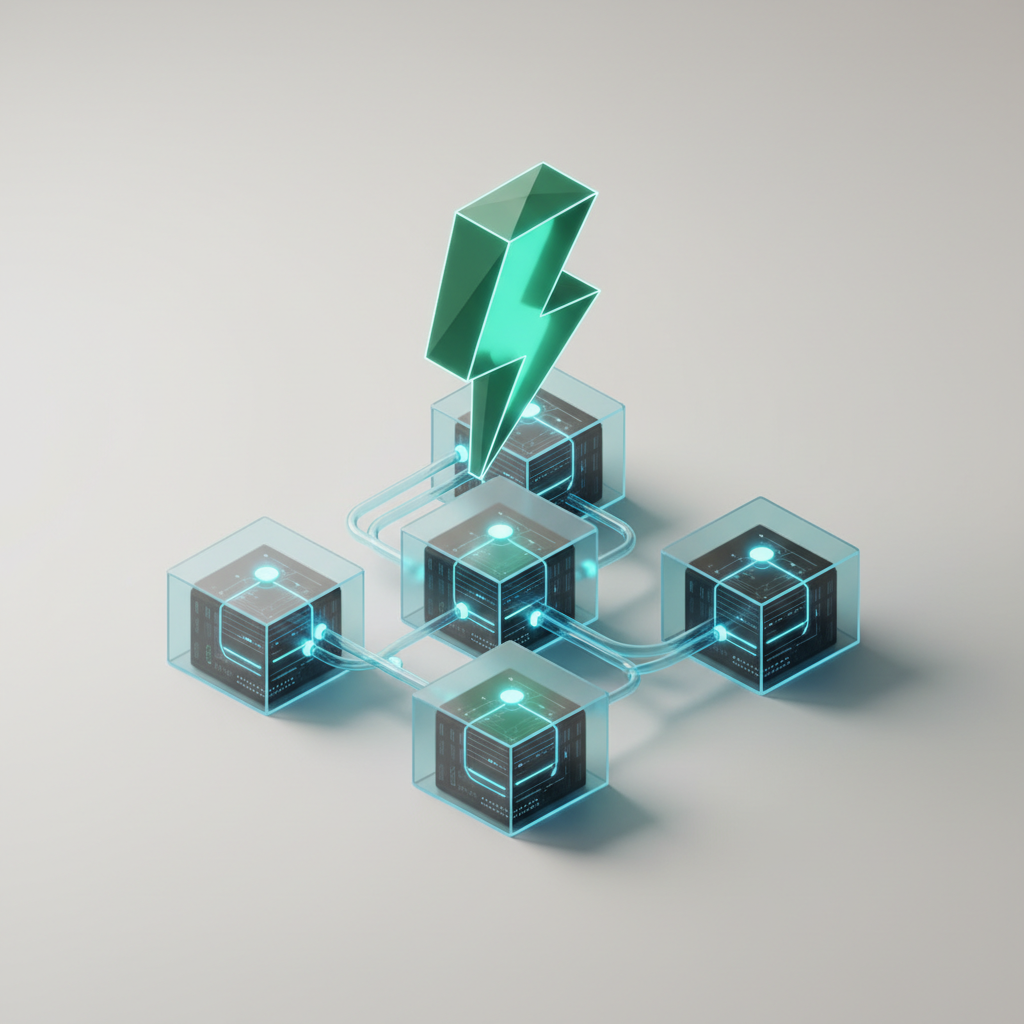
Visual: Understanding the Model Context Protocol (MCP) Architecture
Defining MCP as just a 'connection interface' undersells its technical significance. Standardized by Anthropic, this protocol is a JSON-RPC architecture that enables LLMs (like Claude 3.5 Sonnet) to interact with local file systems, APIs, and databases in a stateful manner.
MCP operates across three core layers:
- Resources: Database tables or read-only data sets.
- Prompts: Predefined templates that guide the agent on how to analyze specific data.
- Tools: Functions that empower the agent to execute SQL queries or manipulate data safely.
In our autonomous workflow projects at NextFactor AI, we have observed that implementing MCP reduces token costs by up to 30% while increasing the agent's accuracy in executing database actions to over 85%.
Technical Implementation: Configuring Cursor and Windsurf
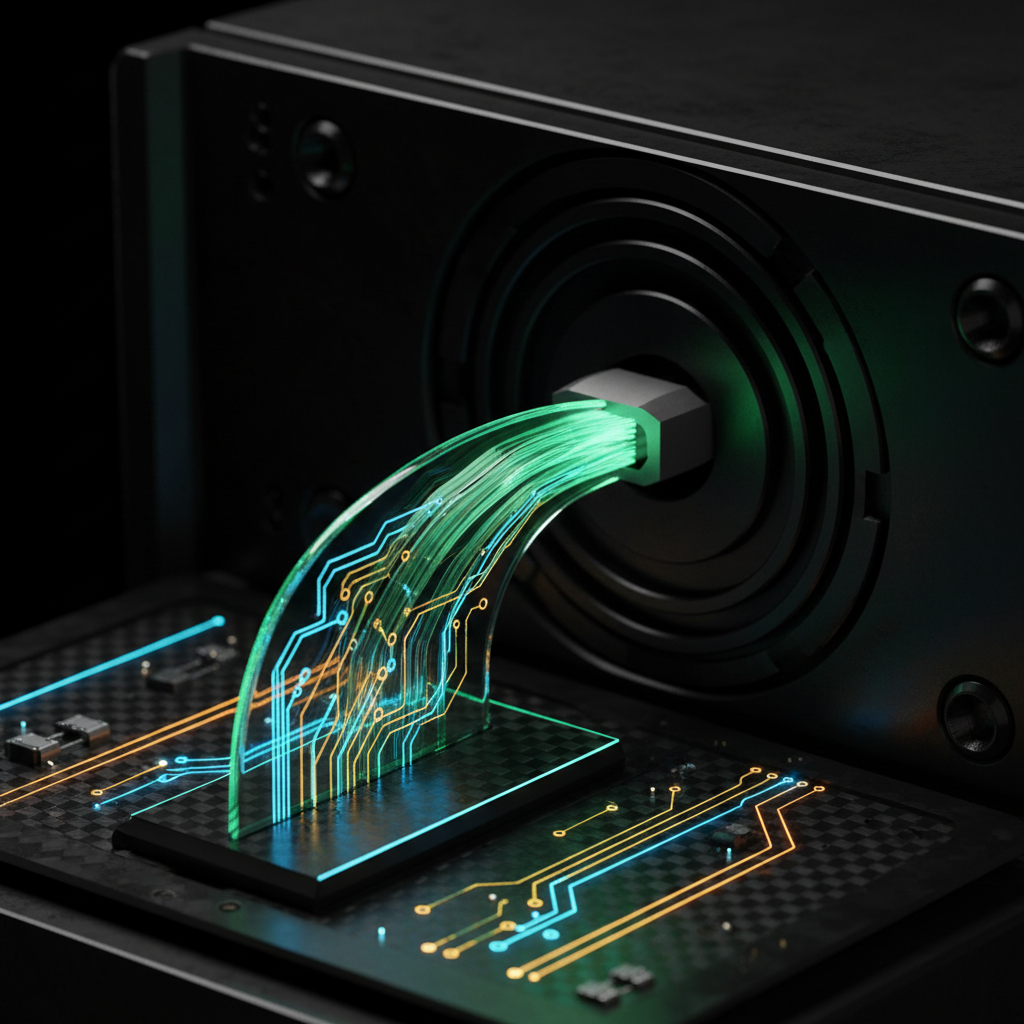
Visual: Step-by-Step Configuration for Cursor and Windsurf
Let’s move from theory to practice. To deploy the Supabase MCP server in a modern IDE environment like Cursor or Windsurf, you need to add the following technical block to your mcpConfig.json file:
{
  "mcpServers": {
    "supabase": {
      "command": "npx",
      "args": [
        "-y",
        "@modelcontextprotocol/server-supabase",
        "--db-url",
        "postgresql://postgres:[PASSWORD]@db.[PROJECT-ID].supabase.co:5432/postgres"
      ]
    }
  }
}
Once configured, the AI agent no longer has to 'guess' how to query your users table. It can see real constraints, data types, and relationships. This technically minimizes the risk of 'hallucinations' in Agentic Workflows.
Security Architecture: Defense-in-Depth and RLS

Visual: Securing AI Access with Row Level Security
Granting an AI agent database access might sound like a security nightmare for most CTOs. However, the Supabase MCP integration draws its strength from Row Level Security (RLS) and PostgreSQL's native role management.
We recommend establishing a three-tier line of defense for a secure MCP layer:
- ReadOnly Roles: Ensure the database user connected to the MCP server has restricted
SELECTpermissions only. - Schema Isolation: Limit the AI agent’s scope to an isolated schema, such as
ai_accessible. Keepprivateorauthschemas completely out of the agent's view. - Audit Logging: Every SQL command executed by the agent via MCP is tracked through Supabase’s logging mechanism for full accountability.
"In the world of MCP, security doesn't start with telling the agent what to do; it starts with technically restricting what it can see via RLS."
Why Now? The Future of Autonomous Systems
The LW13 release is proof that Supabase is evolving from a Backend-as-a-Service (BaaS) into a comprehensive AI infrastructure provider. At NextFactor AI, our case studies show that MCP-enabled databases deliver results 4x faster in autonomous debugging processes compared to traditional API-based integrations.
The future belongs not just to AI that writes code, but to AI agents that manage data and derive strategy from it. The Supabase MCP Server is at the heart of this strategic shift. For developers, the message is clear: adapt to this ecosystem today, or risk becoming just a 'prompt engineer' tomorrow.
🛠️ Ready for the Agentic Workflow Revolution?
Modernize your database with the MCP protocol and transform your AI agents into an autonomous workforce. Let your data speak with NextFactor AI.
🚀 Ready to Scale Your Business with AI?
At NextFactor AI, we build custom autonomous solutions tailored to your brand.
Get a Quote Now →