
🚀 Quick Read (TL;DR)
Monday.com has laid off 20% of its workforce (620 employees) as part of an AI-driven restructuring strategy. The company views this decision as a critical step to reduce organizational friction and transition to actively "doing work" with AI agents.
Monday.com's AI Imperative: Why 20% of the Workforce Was Laid Off in an AI-Driven Transformation
Project management software giant Monday.com's decision to lay off 20% of its global workforce, approximately 620 employees, is more than just a cost-cutting exercise; it's a radical and inevitable demonstration of how artificial intelligence is fundamentally reshaping companies from within. This bold move underscores the imperative for businesses to redefine not only their products and services but also their organizational structures, workflows, and even core operational paradigms. It serves as a concrete example of the profound steps companies are prepared to take to survive and remain competitive in the AI era.
Monday.com's leadership has presented this decision as a restructuring strategy, explicitly stating that existing organizational structures no longer align with the new AI age. This highlights that AI's impact on the labor market is no longer confined to automation alone; it has become a fundamental component of strategic restructuring and organizational adaptation. Let's delve into the layers of this profound transformation and its broader implications across the industry.
By the Numbers: Monday.com's Decision and the Founders' Perspective

Image: By the Numbers: Monday.com's Decision and the Founders' Perspective
Monday.com CEOs Roy Mann and Eran Zinman described this decision as "the most painful in the company's history" in a letter sent to employees. This statement is further supported by an official filing with the SEC from the publicly traded company. Considering a projected headcount of 3,155 employees for 2025, a 20% reduction (approximately 620 people) has a significant impact on the organization.
"The organization we built for our previous era does not fit the new AI era. Today, we are announcing a decision to reduce our global workforce by 20%... This is the most painful decision we’ve ever made since founding monday.com – but we are certain it’s the right one. We did it. We own it. And we take full responsibility for it."
The primary motivation behind this radical step lies in the company's forward-looking strategic vision.
AI-Driven Restructuring: Shifting from Managing to Doing the Work
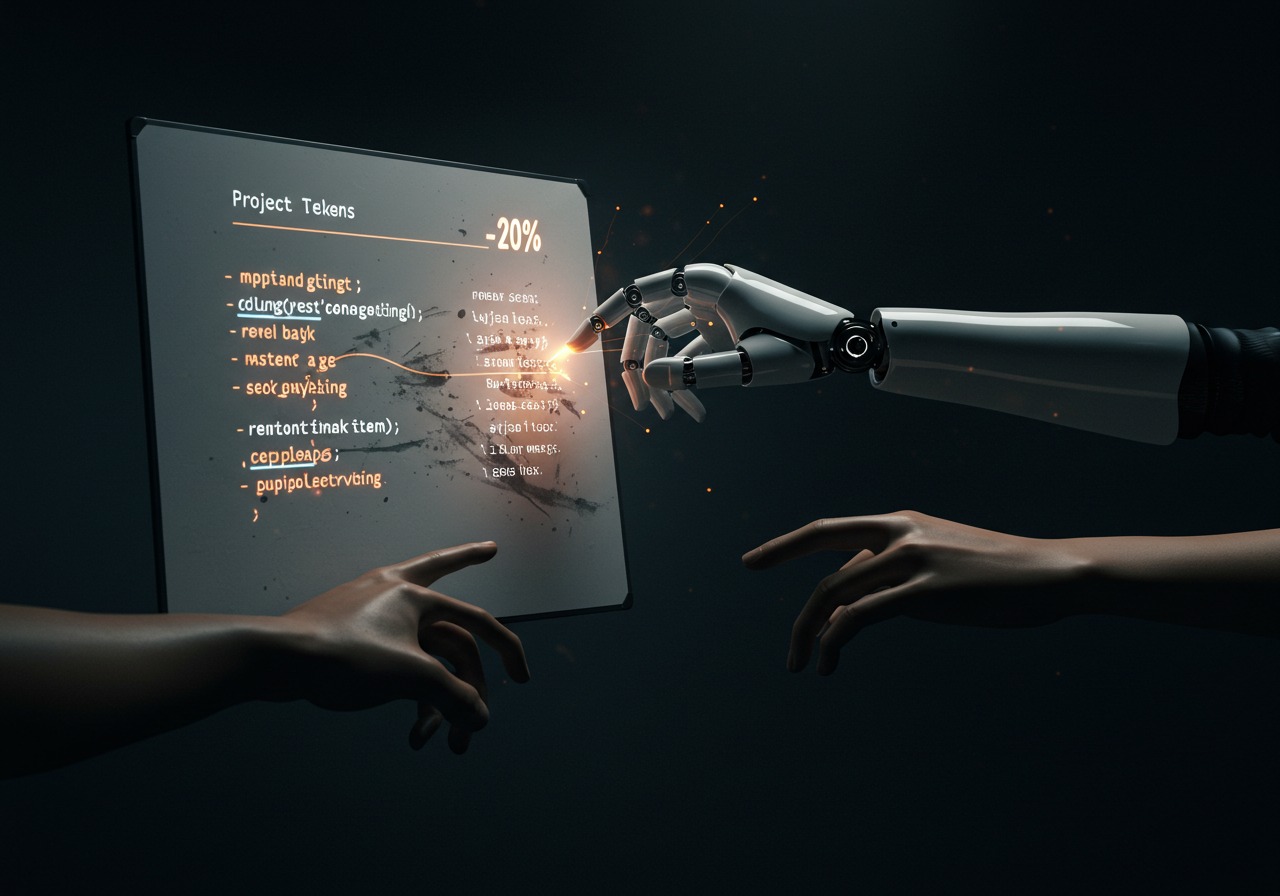
Image: AI-Driven Restructuring: Shifting from Managing to Doing the Work
Monday.com's leadership states that over the past nine months, they have shifted the company's core vision: moving "from managing work" to "actively doing work" with human and AI agents for their customers. This represents a significant paradigm shift in the evolution of project management platforms. Traditionally, platforms focused on organizing tasks, tracking processes, and managing communication. Now, Monday.com aims to participate directly in the execution of work through AI integration.
This new vision implies that the platform is no longer just a task manager but is becoming a "work doer" that optimizes processes, analyzes data, and even automatically implements specific decisions through autonomous or semi-autonomous AI agents. This is a concrete application of the "Agentic Workflow" concept, where AI systems can plan, execute, and report on complex tasks much like humans. For instance, in planning a marketing campaign, an AI agent could conduct target audience analysis, draft content, schedule publications, and monitor performance.
According to the founders, there was a significant misalignment between this new vision and the existing organizational structure. Internal "unnecessary meetings," projects taking "months," and "organizational complexity" were factors that decreased employee productivity. The company describes this situation as "corporate friction," aiming to eliminate it and transition to smaller, more agile teams operating on "Autonomous Systems" principles. This means reducing hierarchical layers and empowering teams with greater decision-making authority, thereby increasing operational independence through AI-powered processes.
The company emphatically stresses that this decision is not a cost-cutting measure. A significant portion of the financial savings from the layoffs will be reinvested into product development, internal AI technologies, and future growth initiatives. This demonstrates that AI should not be seen merely as a cost-reduction tool; its true potential lies in radically transforming processes, unlocking unprecedented levels of efficiency and innovation. Monday.com, through its emphasis on "reinvestment," aims to position AI not as a limiting factor, but as a strategic engine for growth.
The Broader Picture: AI, Layoffs, and Why Monday.com Isn't Alone

Image: The Broader Picture: AI, Layoffs, and Why Monday.com Isn't Alone
Monday.com's decision is part of a larger transformation that AI is instigating in the labor market throughout 2024 and 2025. Global giants like Snap, Block, Coinbase, PayPal, Cisco, Cloudflare, and even General Motors have undertaken similar AI-driven restructurings and layoffs. This trend isn't solely about cost optimization but is also linked to AI's ability to boost operational efficiency, thereby eliminating the need for certain positions.
- Coinbase: Laid off approximately 700 employees (14% of its workforce), with CEO Brian Armstrong stating that AI allows engineers to complete weeks of work in days. This illustrates how AI's potential for productivity gains directly translates into workforce optimization.
- PayPal: Announced aggressive AI adoption, aiming for a reduction of approximately 20% of its workforce, over 4,500 positions, within two to three years. This indicates that AI is a strategic priority impacting general company operations, not just specific departments.
- Snap: Underwent a 16% reduction, laying off around 1,000 employees. AI's ability to enhance efficiency in areas like content creation, moderation, and ad targeting was a contributing factor to this decision.
- Cisco: Cut approximately 4,000 jobs (5% of its workforce) to reallocate resources towards AI and new strategic areas. Such reallocations demonstrate how AI is reshaping companies' talent portfolios.
- Cloudflare: 20% of its workforce (1,100 people) was impacted, particularly mid-management layers and roles susceptible to automation. This highlights AI's impact on automating managerial tasks.
- General Motors: Eliminated 500-600 IT jobs, attributing this to the increasing role of AI. This shows that even traditional industries are changing their business methods and workforce needs under AI's influence.
This landscape reveals that the "SaaSpocalypse" anxieties, felt for some time within the SaaS (Software as a Service) sector, are becoming a concrete reality with the advent of AI. Investors are also reassessing the long-term value of software companies in the AI era, focusing on their efficiency and innovation capabilities. Monday.com's stock performance, which saw a 75% decline in the last year, further exemplifies this market pressure. Consequently, such actions are not merely internal quests for efficiency but mandatory adaptations driven by market expectations and competitive demands.
A Bold Move or a Warning Sign?
Monday.com's decision has ignited a widespread debate within the technology sector and across business strategy discussions. On one hand, it can be argued that the company is taking a visionary step toward the future, proactively adapting to the revolutionary changes brought by AI. Making radical decisions to seize the automation and efficiency opportunities offered by AI could be critical for long-term competitiveness.
On the other hand, critics like Stefan Waldhauser question management's long-term strategic planning capabilities, given that Monday.com projected staff increases just a few months before such a sudden and massive layoff. These abrupt, large-scale reductions risk corporate knowledge loss, declining morale among remaining teams, and even a slower-than-expected pace of product development. Monday.com is attempting to manage this challenging process by offering support packages to laid-off employees, including financial assistance, accelerated stock vesting, and health insurance, demonstrating an awareness of the human dimension and its responsibilities.
What Does the Future Hold?
Monday.com's decision to cut 20% of its workforce is powerful evidence of how the AI revolution is fundamentally reshaping companies, not just externally, but from within. The vision of transforming from a tool that "manages work" to a platform that "does work" serves as a strategic warning for companies across every sector. While the opportunities offered by AI are limitless, remaining competitive will become increasingly impossible for companies unable to adapt or unwilling to make radical transformations to their organizational structures.
How far companies are willing to go to survive in this new AI era, and how effectively they can blend human talent with AI capabilities, will be the most critical strategic question in the coming years. The outcomes of Monday.com's radical move will offer valuable lessons about future business models, organizational structures, and workforce dynamics. This transformation is a process that demands active participation and adaptation; passivity is no longer an option.
🚀 Ready to Grow Your Business with AI?
Develop autonomous solutions tailored to your brand and step into the future today. Contact us now for a free consultation.
Get a Proposal →