🚀 30-Second Summary (TL;DR)
Salesforce's new Slack AI features transform the platform from a mere messaging app into a 'company brain' capable of autonomous task assignment and data analysis. Leveraging "Agentic Workflow" and RAG technologies, companies can prevent employee time loss and eliminate security risks (Shadow AI) arising from external AI tool usage.
Salesforce Revolutionizes Enterprise Communication: Slack's AI Features Transforming Your Company into an Intelligent Hub
🚀 30-Second Summary (TL;DR)
Salesforce has unveiled advanced AI features that transform Slack from a conventional messaging tool into the company's "central nervous system." Powered by Large Language Models (LLMs) and autonomous task management (Agentic Workflow), this new structure ends the chaos of unread messages by thinking on your behalf. Resolving the "Shadow AI" crisis — a challenge faced by giants like Google and Meta as they encourage AI use among employees — with a built-in assistant, Slack AI reclaims the massive amount of time knowledge workers previously lost in search and analysis processes.
You start your day, coffee in hand, gazing at your screen. 245 unread messages await you in Slack. Which one is urgent? Which project is in crisis? Which client is on hold? In the traditional world, resolving this chaos would take at least an hour. However, with the Agentic Workflow revolution, Slack now reads, analyzes, and presents these messages as strategic summaries on your behalf.
In the corporate world, the naive era of asking "Should we use AI?" is long gone. The real question on the table now is: "How do I integrate AI into my company's complex communication DNA in the most seamless and secure way?" The new features announced by Salesforce, transforming Slack from a passive platform into a proactive algorithmic assistant, provide the answer to precisely this question.
From a Passive Walkie-Talkie to an "Autonomous" Executive Assistant
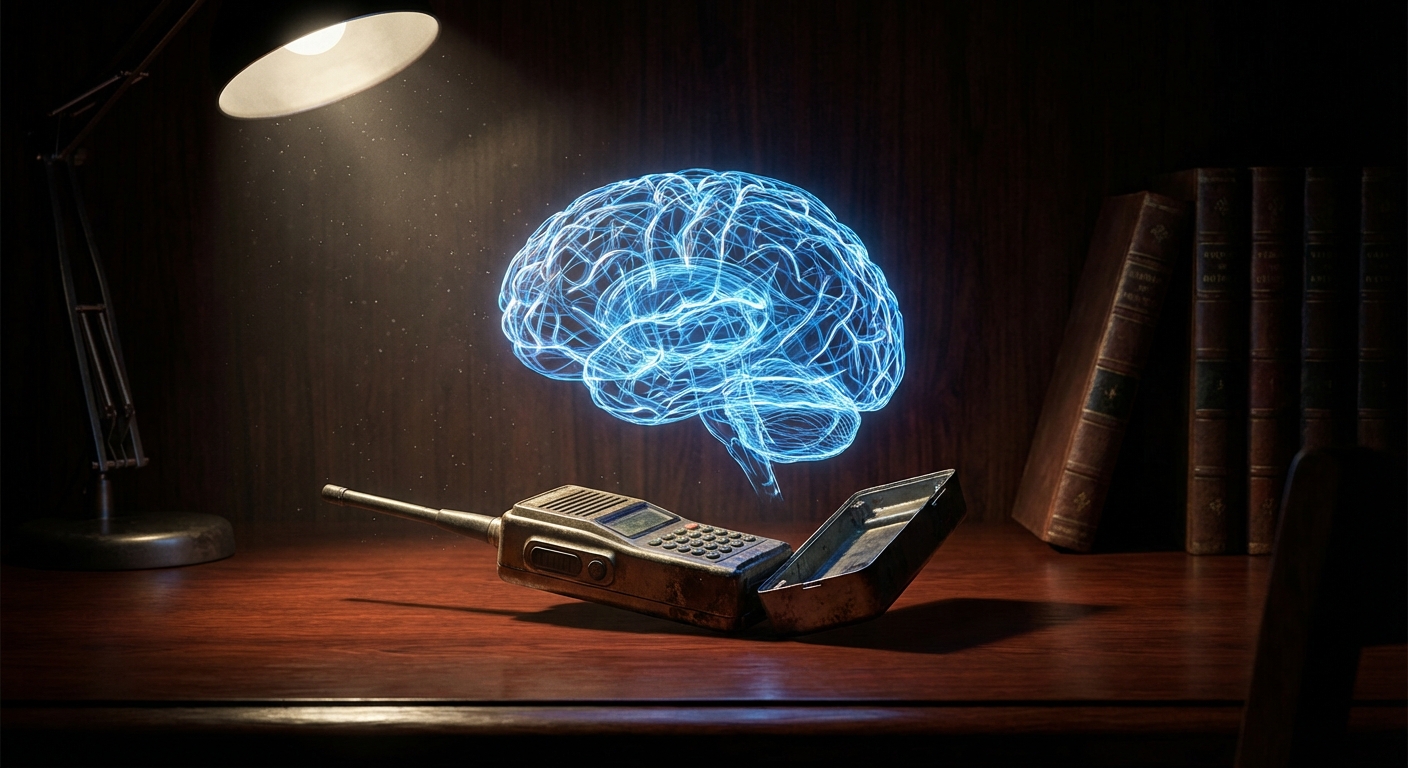
Image: From a Passive Walkie-Talkie to an Autonomous Executive Assistant
Until now, Slack served as an advanced "walkie-talkie" for companies – fast, practical, but only active when you manually performed an action. With the next-generation updates, this walkie-talkie has evolved into an AI brain capable of understanding context and making autonomous decisions. So, what are the most striking technical capabilities at the heart of these promised innovations, poised to fundamentally transform daily operations?
- RAG (Retrieval-Augmented Generation) Powered Smart Search: Slack no longer relies solely on keyword matching. It scans all your company's documents, past threads, and CRM data, providing synthesized, sourced, and precise answers in seconds to questions like, "What was the customer feedback from last month's marketing campaign?"
- Autonomous Task Assignment with Agentic Workflow: If a project blockage is being discussed in a channel, Slack AI detects the bottleneck, creates actionable "to-do" lists, presents them for manager approval, and automatically assigns tasks to relevant individuals via Jira or Asana.
- Sentiment Analysis and Urgency Scoring (NLP): In a complex project channel with hundreds of messages, Natural Language Processing (NLP) algorithms analyze the sentiment and urgency of messages. A customer with crisis potential or internal team tension immediately appears as a red flag on the manager's screen.
- Dynamic Thread and Channel Summaries: Returned from a two-week vacation? Instead of sifting through thousands of lines of past conversations, a simple command like "Summarize the last 14 days of decisions in this channel" provides you with bulleted lists of decisions made, pending tasks, and discussed budgets.
- Data Analytics and Anomaly Detection: Data flowing into sales or operations channels is monitored instantly. If a drop in sales velocity for the Asia team is detected, it's reported proactively with an alert like, "Downward trend detected, would you like to investigate?"
The Hidden Danger: Why Employees Using Personal AI Tools Threatens Your Company
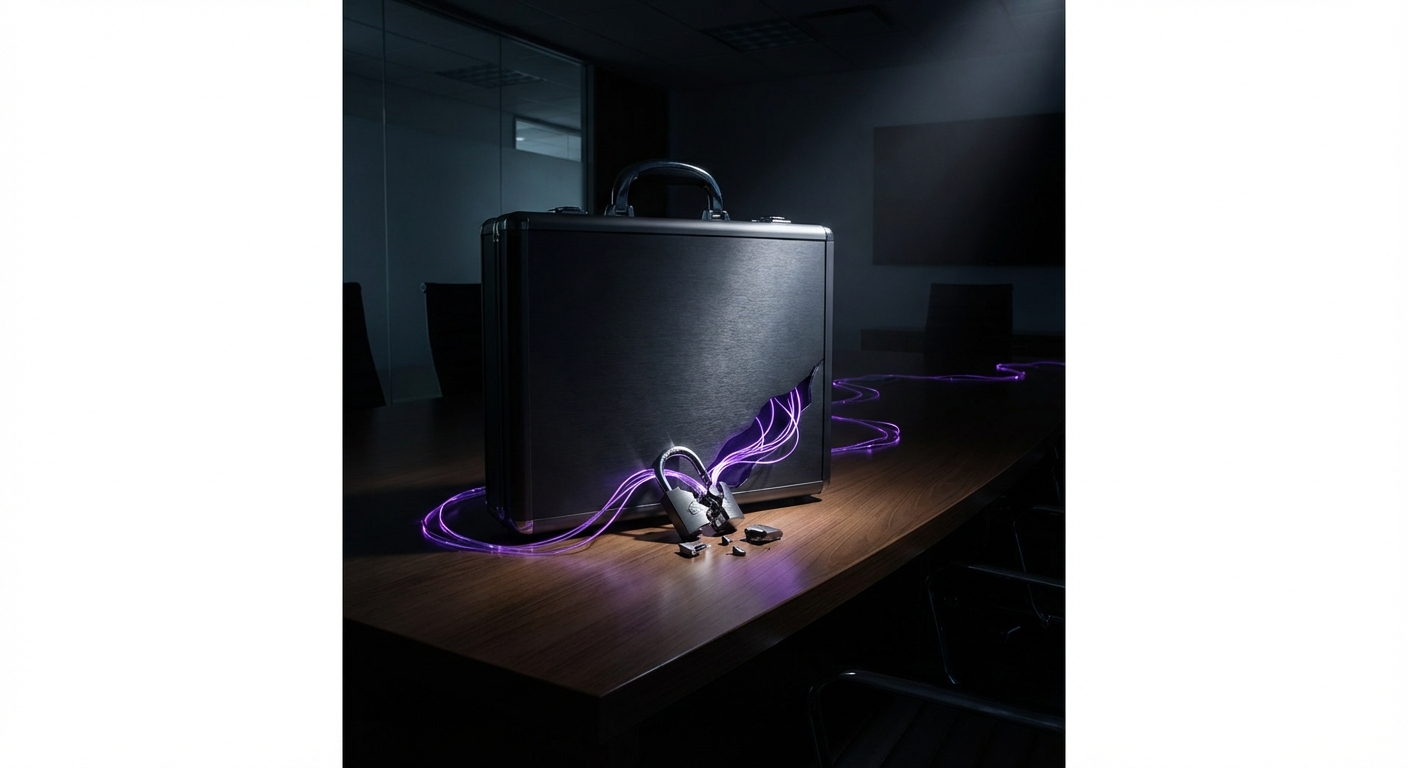
Image: The Hidden Danger: Why Employees Using Personal AI Tools Threatens Your Company
Behind the scenes lies a much larger battle over security and cost. A critical crisis keeping corporate executives awake at night: Shadow AI and escalating compute costs.
What happens when your company doesn't provide an official AI tool? Your employees independently turn to external AI models (like ChatGPT, Claude, etc.). They paste your company's most sensitive financial data, client contracts, or source code into these public models, seeking summaries or analyses. From a data security perspective, this is quite literally a ticking time bomb.
Furthermore, each department making hundreds of queries through various APIs and licenses creates an uncontrolled black hole in IT budgets. This is precisely where Slack's integrated AI vision acts as a shield. By centralizing and embedding intelligence, it ensures company data remains within a secure "walled garden." Employees feel no need to venture outside, as AI already thrives at the heart of their workspace.
McKinsey Confirms: Millions of Hours Lost by Knowledge Workers Are Being Reclaimed

Image: McKinsey Confirms: Millions of Hours Lost by Knowledge Workers Are Being Reclaimed
When a new technology is announced, the first question CFOs often ask is: "What will be its impact on the balance sheet and man-hour costs?"
Recent reports published by McKinsey & Company highlight a clear truth: a knowledge worker spends approximately 20% of their time searching for internal company information, documents, or past conversations. This equates to an entire workday wasted each week! Communication platforms integrated with Generative AI dramatically reduce this search and synthesis time, offering the potential for millions of hours saved weekly at the corporate level.
In our consulting engagements, we frequently observe this: companies operating in silos, where Sales is unaware of Marketing, and IT is isolated from Human Resources, and where accessing data is a bureaucratic nightmare, are rapidly losing ground. Slack's new autonomous tools dismantle these invisible departmental walls. Data-driven decision-making is no longer a process that waits for weekly meetings; it transforms into an instantaneous reflex.
AI Won't Replace You, It Will Automate the "Drudgery" of Your Work
Let's admit it, as AI permeates our communication tools, the underlying worry "Will algorithms take our jobs?" constantly lingers. However, visionary companies understand that autonomous systems are not designed to replace humans, but rather to free up time for the "human" aspects of work: strategic thinking, creativity, and empathy.
These profound features integrated by Salesforce into Slack mark a turning point where the cards are being reshuffled in the corporate world. The chasm between companies drowning under mountains of data and those that transform that data into action in seconds through "Agentic" workflows is widening irrevocably.
The question is: Will your team continue to get lost in message histories asking, "Who said what, and where was that file?" Or will they embrace AI as an autonomous coworker and race towards their strategic goals?
🚀 Ready to Grow Your Business with AI?
At NextFactor AI, we develop custom autonomous solutions for your brand. Schedule a free analysis consultation today.
Get a Quote Now →🚀 Ready to Grow Your Business with AI?
At NextFactor AI, we develop custom autonomous solutions for your brand.
Get a Quote Now →