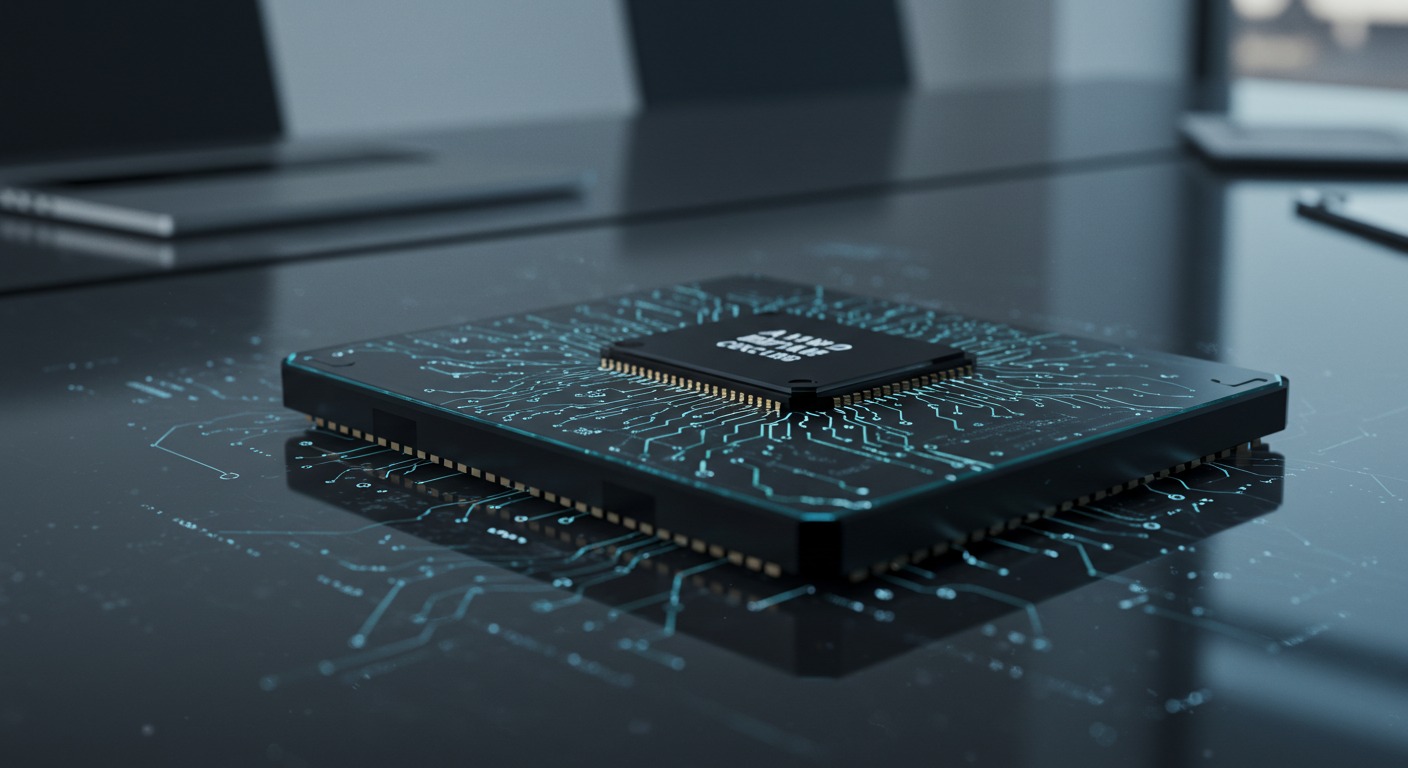
🚀 TL;DR: The Quick Take
Siemens CEO Roland Busch has issued a critical warning: the company's €1 billion industrial AI investment could be redirected to the U.S. and China due to the EU's stringent artificial intelligence regulations. This highlights Europe's precarious position in the global AI race, risking falling behind if it fails to balance ethical leadership with the imperative for innovation speed.
Siemens Delivers Critical Warning to Europe: €1 Billion AI Investment Could Shift to US and China
Roland Busch, CEO of Siemens, one of Europe's leading industrial powerhouses, has issued a critical warning that could profoundly impact the continent's artificial intelligence future. Speaking at the Hanover Trade Fair, Busch stated that Siemens is considering redirecting its massive €1 billion investment in industrial AI to the United States and China, primarily due to the European Union's rigid regulations that do not align with the nature of industrial AI. This declaration is more than just a strategic corporate decision; it's a serious turning point, forcing Europe to question its standing in the global AI competition. [1]
This situation underscores the risk of advanced technologies failing to realize their full potential when faced with bureaucratic obstacles. Specifically, EU regulations like the 'AI Act' and 'Data Act' are criticized by Busch for treating industrial AI like a consumer application, thereby overlooking sector-specific requirements and stifling innovation. Industrial AI solutions typically operate in closed-loop systems under defined safety protocols and human oversight. This necessitates a different balance for data protection concerns, which are prevalent in consumer-focused applications, compared to the safety and efficiency goals inherent in industrial automation. [1]
Why Is Siemens Reconsidering? The Regulatory Blow to Smart Factories

Image: Why Is Siemens Reconsidering? The Regulatory Blow to Smart Factories
Siemens plays a pioneering role in industrial automation, building smart factories where machines intelligently interact, make autonomous decisions, and learn independently. The company is already implementing agentic workflow solutions, developing AI engineering agents like 'Eigen Engineering Agent' to automate PLC coding, industrial workflows, and system optimization. These autonomous systems boost efficiency in production processes while minimizing human error and maximizing safety. [2] Furthermore, through a strategic partnership with Nvidia, they envision building 'fully AI-driven, adaptive production facilities', signifying the complete integration of AI not just at the software layer, but also within the physical manufacturing environment. [4]
Industrial artificial intelligence is fundamentally different from a social media algorithm that might infringe on personal privacy. In a factory setting, robots transporting parts and performing autonomous tasks on assembly lines [4] typically operate within specific safety standards and limited datasets. Processing personal data on a large scale, however, requires an entirely different regulatory approach. Current EU laws risk limiting the potential for industrial innovation by failing to adequately recognize this fundamental distinction.
Busch's criticism zeroes in on this very point: current legal frameworks disregard the unique needs of industrial AI, create unnecessary complexities, and compel companies to seek faster, more flexible environments. This situation can be likened to trying to fit innovation into a straitjacket; a company unable to find room to grow will naturally gravitate towards more open and supportive ecosystems.
AI Race Frontrunners: The Allure of the US and China
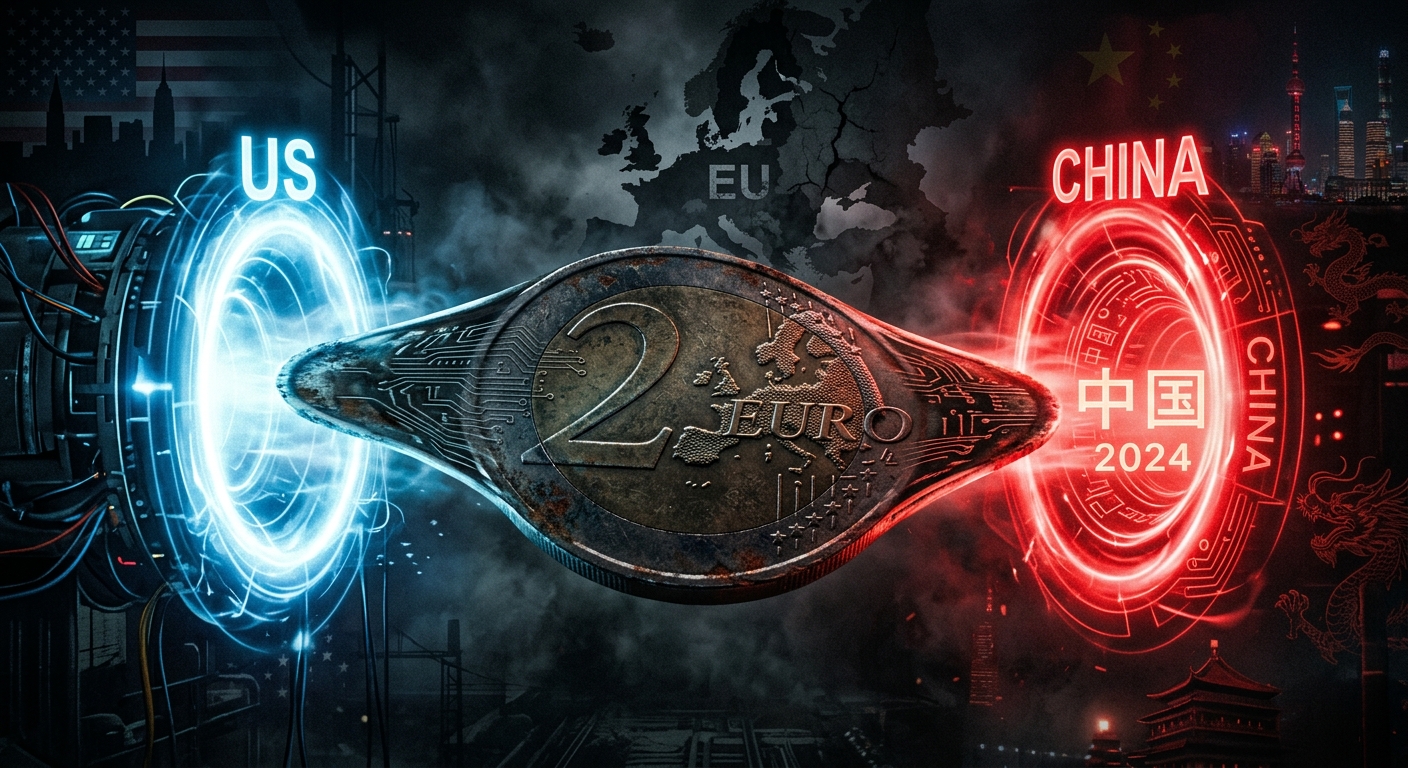
Image: AI Race Frontrunners: The Allure of the US and China
So, why are the U.S. and China the focus for Siemens? The astronomical scale of global AI investments and the way these two nations support their innovation ecosystems provide the answer. While global enterprise AI investments are projected to reach $581.7 billion in 2025, a significant portion of this capital flows into the U.S., attracted by its dynamic startup ecosystems and venture capital funds. [3] Last year, 1953 new AI startups were founded in the U.S., clearly demonstrating its global leadership in this field – a figure ten times greater than the second-ranked country. [3] Even tech giants like Google are investing $10 million to develop AI skills for the country's manufacturers, supporting the industrial integration of AI. [8]
China, meanwhile, is making unparalleled progress in AI infrastructure and adoption. The country boasts over 85 publicly available AI supercomputers, more than double the processing power of North America. [3] Over 80% of Chinese workplaces utilize AI technologies, significantly higher than the global average of 58%. [3] They are also making ambitious strides in new and critical phases of AI, such as 'spatial intelligence,' developing groundbreaking applications across a wide spectrum from smart cities to autonomous vehicles. [10] The fact that the gap in AI development with the U.S. has narrowed to just 2.7% proves China's revolutionary speed and competitive strength in this domain. [3]
These two powerhouses are not only developing their technological AI muscles but also attracting global talent. While the number of new international AI researchers coming to the U.S. has seen an 89% decrease in the last seven years [3], this trend is more indicative of factors like visa restrictions or the broader expansion of the global talent pool. However, major venture capital funds like Sequoia Capital are still channeling billions of dollars into AI investments [6, 7], with a significant portion of these funds targeting innovative startups in the U.S. The existing deep talent pool, continuous capital inflow, and innovation-fostering ecosystems ensure that the U.S. remains an indispensable magnet for AI development.
Europe's Crossroads: Caution vs. Innovation Velocity

Image: Europe's Crossroads: Caution vs. Innovation Velocity
Siemens' decision isn't just about a €1 billion loss; it also signifies the weakening of high-skilled employment, critical technology transfer, and the future innovation ecosystem. This seriously threatens Europe's future economic competitiveness.
Europe's goal of 'ethical leadership' in AI is admirable and critically important for long-term sustainability. However, this noble objective must not stifle the continent's practical industrial innovation and competitiveness. It's akin to over-engineering security measures in a software project to the point of completely undermining user experience. While safety and ethical standards are undoubtedly vital, they are meaningless if not balanced with usability and inventiveness, and can become a barrier to technological progress.
So, what should Europe do at this strategic juncture? Siemens' call is clear and resounding: the EU must flex its AI regulations to accommodate the unique needs of industrial AI and offer sector-specific, agile solutions. This could mean creating regulatory 'sandboxes' for industrial AI, defining accelerated certification processes, and working more closely with sectoral stakeholders to develop practical solutions. While funds like Sequoia Capital make global investments [6, 7], it's crucial to create a Europe-specific innovation environment that addresses the distinct concerns of industrial giants like Siemens. Europe must proudly carry the banner of ethics while simultaneously ensuring it doesn't extinguish the beacon of innovation and economic growth. Otherwise, the smart factories, agentic workflow-based robots, and advanced autonomous systems of the future will rise in other geographies, and Europe risks becoming merely a museum of past industry.
At NextFactor AI, as we consult companies through complex technological transformation processes, we always emphasize this: Regulations should be a catalyst and a reliable framework for innovation, not an impediment. However, this framework can only be beneficial if it adapts to industry dynamics and offers flexibility and predictability. Europe's policymakers must take Roland Busch's critical warning seriously and take swift, concrete action. Otherwise, this €1 billion investment will not only symbolize a lost financial opportunity for Europe but also a missed future and a relinquished position of global leadership.
🚀 Propel Your Business into the Future with AI!
At NextFactor AI, we develop bespoke autonomous AI solutions that boost efficiency and provide a competitive advantage for your brand. Schedule a strategic analysis call with our expert team to unlock your business's full potential.
Get a Quote Now →Sources:
- [1] Siemens AG Official Statement, "Roland Busch: EU AI Act is Hindering Innovation", April 18, 2024. siemens.com/global/en/company/press/press-releases/2024/corporates/pr2024040228corpen.html
- [2] Siemens Digital Industries, "Eigen Engineering Agent: Next-Gen AI in Industrial Automation", 2024 Report. siemens.com/global/en/company/stories/innovation/industrial-ai.html
- [3] Stanford University, "AI Index Report 2023", April 2023. aiindex.stanford.edu/report/
- [4] Nvidia Corporate Blog, "Siemens and Nvidia Partner for Industrial Metaverse and Digital Twins", June 15, 2022. blogs.nvidia.com/blog/2022/06/15/siemens-nvidia-industrial-metaverse-partnership/
- [6] Sequoia Capital, "AI Investment Report: 2023 Year in Review", December 2023. sequoiacap.com/insights/ai-investment-report-2023/
- [7] Forbes, "Venture Capital Giants' AI Moves", January 10, 2024. forbes.com/sites/venturecapital/2024/01/10/vc-firms-ai-investments/
- [8] Google Blog, "Investing $10 Million in AI Skills for American Manufacturers", May 18, 2023. blog.google/technology/ai/google-ai-manufacturing-initiative/
- [10] McKinsey & Company, "China's Spatial Intelligence Drive: Next-Gen AI Potential", March 2023. mckinsey.com/capabilities/mckinsey-digital/our-insights/the-rise-of-spatial-ai-in-china
🚀 Ready to Grow Your Business with AI?
At NextFactor AI, we develop bespoke autonomous solutions for your brand.
Get a Quote Now →